What are the main control measures for major wheat seedling-stage diseases?
As the weather gradually turns cooler, it is also the time for planting winter wheat. At this time, winter wheat sowing and seedling raising begin across the country, and due to climate change and the effects of cultivation management and irrigation, wheat seedling-stage diseases are becoming increasingly severe. So what diseases do wheat seedlings have? Let's take a look together.
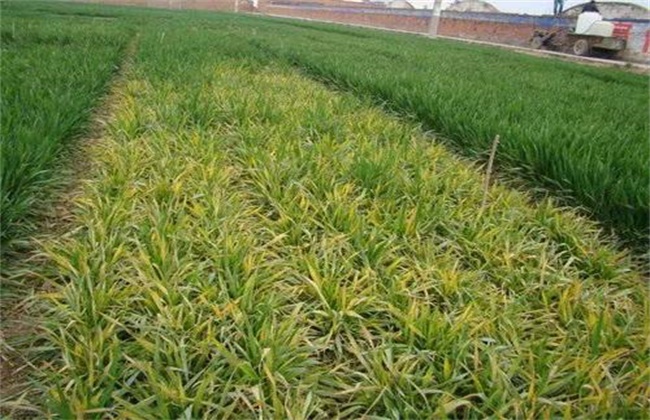
1. Rust
Wheat rust, also known as yellow pox disease, is the most widespread and most damaging disease in wheat production in China. It mainly occurs on leaves, and also harms leaf sheaths, stems and heads. Symptoms differ depending on the affected part, and it can be identified by the saying "stripe rust in rows, leaf rust in chaos, stem rust is a big red spot." The optimum temperature for stripe rust is 9-16, for leaf rust 15-22 degrees, and for stem rust 18-25, so in production the usual order of occurrence is stripe rust—leaf rust—stem rust.
Control measures: First, choose varieties with strong disease resistance. Before sowing, treat seeds with chemicals to prevent disease. During planting and management, strengthen field management, reasonably combine nitrogen, phosphorus and potassium fertilizers, apply sufficient base fertilizer, and cultivate strong seedlings. Volunteer wheat is the main summer host of the three rusts; by removing volunteer wheat seedlings in combination with field management, a large amount of summer inoculum can be reduced and the incidence of rust can be lowered.
2. Sheath blight
Also known as small eyespot disease, it is a root disease. After seedlings are infected by sheath blight fungus, symptoms such as rotten buds and diseased seedling death appear at the seedling stage.
Control measures: Choose moderately resistant and tolerant varieties; this is an economical and easy disease control measure. Practice reasonable crop rotation, strengthen field management, rotate wheat with rapeseed, soybean and other crops, reduce the accumulation of inoculum in the field, reduce sowing rate, control plant density, and balance fertilization. When disease occurs, spray chemicals in time, with application at the early jointing stage of wheat to prevent the disease from invading the stems.
3. Take-all
Also called wheat damping-off and black foot disease, it is also a root disease, but it only infects the roots and the 1—2 nodes at the base of the stem. After seedlings are infected, the plants appear short and stunted, with many yellow lower leaves, and the seminal roots and subterranean stem turn gray-black, causing patchy death of wheat seedlings in severe cases.
Control measures: Choose varieties with strong disease resistance, practice reasonable crop rotation, strengthen field management, deeply plow and turn the soil before planting, prepare the land finely, and fertilize reasonably, which can reduce the number of pathogens in the soil layer. Timely intertillage can promote root development. Before sowing, treat seeds with chemicals, or before sowing evenly spread 2-3 kg of 50% carbendazim or 70% thiophanate-methyl plus 20-30 kg of fine soil on the ground surface and then rotary till.
The above is an introduction to the control measures for major wheat seedling-stage diseases. We hope it can help you. If you want to learn more related knowledge, please follow us.