Detailed Explanation of Key Points for Winter Greenhouse Ventilation Management
When growing crops in a greenhouse, ventilation is essential. After entering winter, many growers feel that the temperature is too low and that ventilating could easily cause vegetables to suffer freezing damage, so they do not do any ventilation work in winter. In fact, greenhouses also need ventilation in winter; it is just that when ventilating in winter, there are also many things we need to pay attention to. So below, the editor brings you the precautions for winter greenhouse ventilation. Let's take a look!
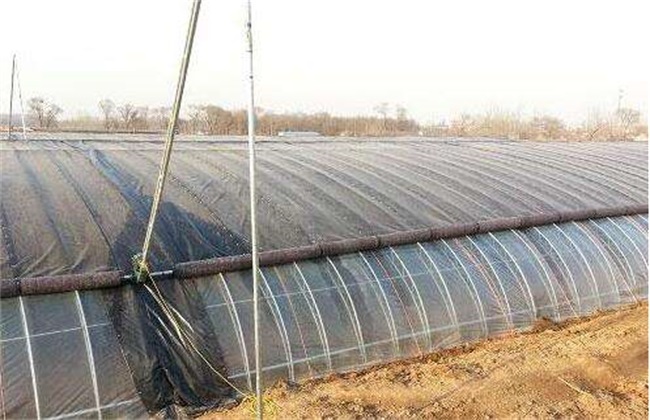
I. Precautions
1. Ventilation time
When ventilating in winter, you must pay attention to the ventilation time and must not ventilate too early. If you ventilate too early, then not only will it cause the temperature inside the greenhouse to drop suddenly, making it impossible for the vegetable crops to adapt in time and leading to various physiological diseases. Moreover, the carbon dioxide produced by the greenhouse the previous night is beneficial for the vegetable crops to carry out photosynthesis after the greenhouse is opened the next morning, thereby producing photosynthetic substances. It can provide sufficient nutrients for the vegetables, while if ventilation is done too early, it will cause the carbon dioxide concentration to decrease and waste carbon dioxide resources.
2. Exposure to light after opening the greenhouse
During winter production, if the temperature is in a suitable environment, then ventilation work should be done in a timely manner. Then, as the light intensity increases, when the greenhouse temperature gradually rises to about 29°C, ventilation should also be carried out in a timely manner. This is because, in the overall environment, the carbon dioxide content in the greenhouse has gradually been consumed by photosynthesis. Therefore, it is necessary to ventilate in a timely manner and let in an appropriate amount of carbon dioxide to ensure that the vegetables can carry out photosynthesis normally. Moreover, when the greenhouse temperature rises, reasonable ventilation is beneficial for reducing greenhouse humidity and lowering the incidence of diseases.
II. Benefits of ventilation
1. Temperature regulation
Winter ventilation is an effective measure for adjusting the temperature inside the greenhouse. This is because during greenhouse production, if the crops grown are different, the temperature requirements are also different. For example, the common cucumber can generally grow at a temperature of about 30°C. Crops such as celery, however, are not suitable for growing in a high-temperature environment; if it exceeds 25°C, their growth and development will be affected. Moreover, within the suitable temperature range for vegetable crops, the higher the temperature, the stronger the photosynthetic capacity. Therefore, reasonable ventilation in winter is the key to ensuring that vegetables overwinter safely and grow normally.
2. Improving air quality
A greenhouse is in a closed environment, so if ventilation work is not done well, the air quality inside the greenhouse is very poor. Especially in winter, many people do not pay attention to ventilation work, resulting in frequent gas damage and affecting the normal growth of vegetables. For example, if undecomposed farmyard manure or fertilizer with a high ammonia content is used, it will not only cause vegetables to grow excessively and burn roots. It will also produce harmful gases, such as ammonia, causing fatal harm to vegetables. Therefore, ventilation work should be done well to discharge harmful gases from the greenhouse and improve air quality.
The above is a brief introduction to the precautions for winter greenhouse ventilation. That is all for today's introduction. This article is for reference only, and I hope it can help everyone!