What are the precautions for winter greenhouse ventilation?
Greenhouse cultivation is now a very common growing model in our country. When carrying out greenhouse cultivation, because the entire greenhouse is in a closed state, ventilation work is very necessary. Even in winter when temperatures are low, ventilation is essential. It is just that there are some precautions to take, so today I have brought you the precautions for winter greenhouse ventilation, let's take a look together!
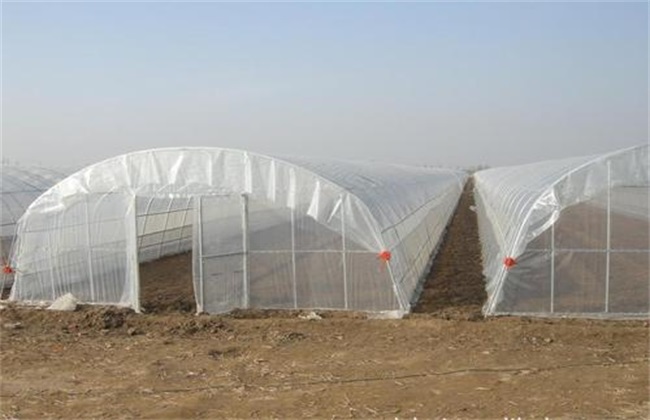
1. Temperature
Because winter temperatures are very low, when we ventilate the greenhouse, the first thing to pay attention to is temperature. When ventilating, we should observe the temperature conditions inside the greenhouse. Only when the temperature inside the greenhouse is above the suitable growth temperature range for the vegetables being grown can ventilation be carried out. This prevents the indoor temperature from becoming too low after ventilation due to the entry of cold air, causing cold damage to the vegetables and affecting their normal growth. Therefore, when ventilating, we must have a full understanding of the growth habits of the crops being grown, and be clear about the temperature requirements of the crop at each growth stage, so as to do a good job of ventilation.
2. Ventilation volume
When ventilating a greenhouse in winter, we should follow the ventilation principle of going from small to large and from less to more. Attention should be paid to the temperature differences in various parts of the greenhouse. In locally high-temperature areas, ventilation should be started appropriately earlier and the vents enlarged. On the contrary, in lower-temperature areas, ventilation should be started appropriately later. When ending ventilation work, the principle should be the opposite of that at the start of ventilation. When ventilating, prevent cold air from blowing directly onto the plants, causing the plants to grow in an environment where the temperature fluctuates between high and low, leading to cold damage and various other adverse conditions in the vegetables, affecting normal growth and causing a decline in yield.
3. Ventilation time
Then what we also need to pay attention to is the ventilation time. When ventilating, it should be done when the temperature inside the greenhouse is relatively high, the humidity ratio is large, and the crop's photosynthetic capacity is strong. Then, after applying water and fertilizer or spreading pesticides to the vegetables, the humidity inside the greenhouse will rise somewhat, so attention should also be paid to doing a short period of ventilation work. If there is a situation of long cloudy days followed by sudden clearing, the covering outside the greenhouse should be appropriately opened a little. Reduce the ventilation volume to prevent the sudden strengthening of light from accelerating water evaporation, which would cause adverse phenomena such as water loss and wilting in the vegetables.
The above is a brief introduction to the precautions for winter greenhouse ventilation. Winter greenhouse ventilation work is very necessary, but we should also pay much attention when ventilating and must not do it blindly. In particular, it should be carried out on the premise of ensuring temperature, so as to ensure that the vegetables can overwinter safely. That is all for today's introduction. This article is for reference only, and I hope it can help everyone!