What are the causes of yellowing wheat seedlings? The remedies explained clearly in one go
It is now the season for sowing wheat and for the seedlings to emerge, but any slight mishandling during this period can lead to yellowing or even death of the wheat seedlings. However, after yellowing appears, farmers should not panic; first they need to understand what is causing it. Follow along with the editor to learn about the causes of yellowing wheat seedlings and the remedies.
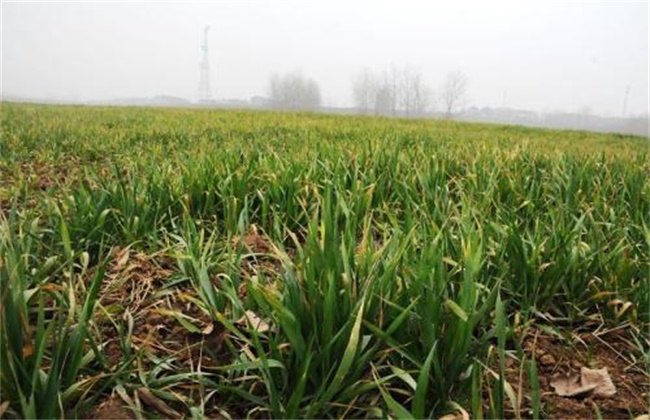
1. Yellowing from nutrient deficiency
If nutrients are lacking during the wheat seedling stage, the seedlings will turn yellow. The most common deficiencies are nitrogen, phosphorus and potassium. A nitrogen deficiency makes the seedlings short and spindly, with few and weak tillers; the leaves lose their green color and turn yellow, and in severe cases chlorophyll decreases or disappears, causing the leaf tips to wither and the lower old leaves to yellow and die off. A phosphorus deficiency reduces the seedling's secondary roots and tillers, the leaves turn dark green with yellow tips, and if not remedied in time it leads to small heads with few and shrunken grains. A potassium deficiency generally starts at the tips of the old leaves and then extends downward along the leaf veins, and later the seedlings lodge and lie flat on the ground.
Remedy: Before planting, be sure to apply enough base fertilizer to meet the needs of seedling growth and development. When a deficiency occurs, apply the corresponding fertilizer promptly so the seedlings recover as quickly as possible.
2. Sowing too deep
If the sowing depth is too great because the machinery is not set properly, the underground stem grows too long. When the wheat seedlings emerge, they consume a large amount of the seed's nutrients, which causes the seedlings to have slender leaves and poorly developed roots after emergence, making them thin, weak and yellow.
Remedy: You can scrape away some of the soil above the seeds so the covering soil becomes thinner, then combine this with intertillage to improve soil aeration, encourage the seedlings to sprout lateral roots, and make the wheat seedlings grow strong.
3. Overcrowding and drought
In wheat fields sown too early or with too high a sowing rate, the wheat seedlings often grow too densely, which reduces air movement and light penetration, so the plants develop weakly and turn yellow. In addition, when the field is too dry, the seedlings have few secondary roots and tiller with difficulty, and the leaves turn yellow from lack of water and gradually dry up.
Remedy: For overly dense wheat seedlings, thin them out appropriately by hand to increase light penetration and ventilation in the field and slow the growth rate; at the same time, deep tillage to cut the roots reduces water and nutrient uptake and controls the increase of tillers and excessive growth. For dry land, water promptly so the wheat seedlings grow normally.
4. Herbicide damage and fertilizer burn
The most common problem during the wheat seedling stage is root rot, which causes the wheat seedlings to turn yellow and, in severe cases, to die with rotting roots. Also, if the fertilizer applied to the wheat seedlings is not decomposed organic fertilizer, or if the seedlings and seeds come into direct contact with the fertilizer and are burned, the leaves or leaf tips turn yellow.
Remedy: For root rot, use a 70% thiophanate-methyl wettable powder diluted 800-1000 times and pour it along the rows to drench the roots. When fertilizer burn occurs, water promptly to dilute it and ease the damage.
The above is an introduction to the causes of yellowing wheat seedlings and the remedies. We hope it helps you. To learn more related knowledge, please keep following us.