What to Do About Premature Bolting in Onions? Cause Analysis and Control Measures
After onion seedlings are planted in autumn or spring, they grow through spring and summer, developing 9-10 leaves above ground and forming a bulb, the onion head, below ground. However, some onion seedlings, after transplanting, can still produce a few leaves and bolt prematurely before the bulb forms. This phenomenon is called premature bolting, and it can seriously affect yield and quality. So what causes premature bolting in onions, and how can it be controlled? Let's take a look.
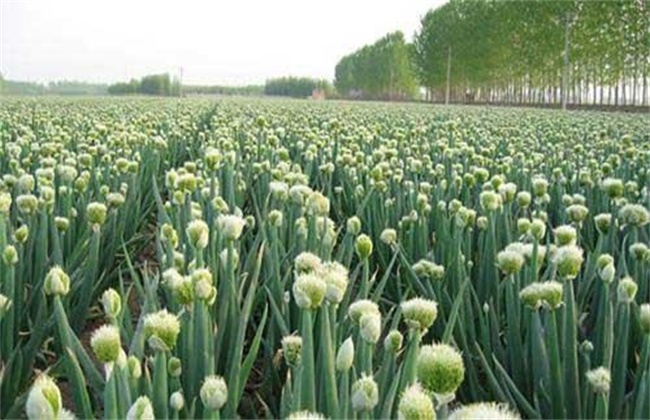
I. Causes of Premature Bolting
Different varieties differ in their sensitivity to soil temperature. Good varieties show high yield and a low bolting rate, while varieties highly sensitive to low temperatures are very prone to premature bolting. In addition, how much nutrition overwintering seedlings accumulate is also a major factor affecting premature bolting in onions. Sowing too early produces thick, sturdy seedlings, and long exposure to low-temperature conditions significantly increases the bolting rate. Planting early also gives a higher bolting rate than planting late. Late sowing produces small seedlings, but planting too early can also increase the bolting rate.
II. Control Measures
1. Choose varieties with strong winter hardiness
Varieties with weak winter hardiness are sensitive to low temperatures and can undergo vernalization at low temperatures while still small seedlings, whereas varieties with strong winter hardiness are more sensitive in their response, so they are less prone to premature bolting.
2. Sow at the right time
Sowing at the right time is also an effective measure to prevent premature bolting in onions. Sowing too late very easily causes premature bolting in spring, and sowing too late also easily leads to seedling death during overwintering, with extremely low yields.
3. Plant at the right time
If planted too early, the seedlings, though not large, can still continue growing when temperatures are relatively high after planting. When the seedlings reach the temperature required for vernalization, it will cause premature bolting in spring, so onions must be planted at the right time.
4. Select seedlings strictly
When planting, be sure to choose seedlings 12-15 cm tall, with a pseudo-stem diameter of 0.5-0.8 cm, free of pests and diseases, and 50-60 days old. If you choose thick, sturdy seedlings, you can set them aside for a few days to inhibit growth and then plant them, which can reduce premature bolting.
5. Control excessive growth properly
During the onion seedling stage, control fertilizer and water to avoid overly vigorous seedling growth. Set them aside for a few days to inhibit growth, then plant them, which can reduce premature bolting.
6. Remove the bolt in time
For plants that have bolted prematurely, the flower stalk should be removed promptly from its base.
The above is an introduction to the causes of premature bolting in onions and control measures. We hope it helps you. To learn more related knowledge, please stay tuned to us.