Why Do Corn Cobs Have Bald Tips and Missing Kernels? Causes and Prevention Measures Explained
During corn cultivation, the occurrence of empty stalks, missing kernels and bald tips is very common, and this phenomenon directly affects corn yield. In recent years, farmers have again reported that the phenomenon of bald tips and missing kernels in corn is relatively serious, and the corn yield reduction is relatively severe. So what causes bald tips and missing kernels in corn? Let's take a look.
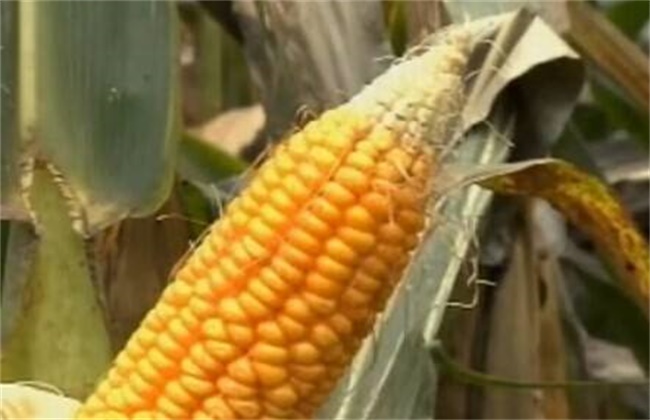
I. Nutrition-related causes of bald tips and missing kernels in corn
1. Variety reasons. If the variety chosen for planting is not suitable for the local climate conditions, the phenomenon of bald tips and missing kernels is very likely to occur.
2. Improper soil. When planted in soil with high salinity, low-lying and prone to waterlogging, too shallow a plow layer, poor water and fertilizer retention capacity, or poor fertility, bald tips and missing kernels in corn will also occur more seriously.
3. Nutrition. During fertilization, because the combination of nitrogen, phosphorus and potassium is improper, or too little or no organic fertilizer and microelement fertilizer is applied, especially when phosphorus fertilizer and boron fertilizer in the soil are insufficient, or problems such as insufficient water in the middle and late growth stages or fertilizer deficiency occur, bald tips and missing kernels will all be caused.
4. Climate. Continuous drought in the middle growth period of corn, causing repeated leaf rolling, or high temperature and dry weather at flowering time with insufficient soil water supply, will affect the development of the corn ear. Or continuous rainy weather when corn is shedding pollen, affecting normal flowering and pollination, will also cause bald tips and missing kernels.
5. Severe pests and diseases. The occurrence of various leaf spot diseases in corn, or the occurrence of corn seedling blight, banded leaf and sheath blight, and stalk base rot, will all affect the normal growth and development of corn, causing poor corn growth and resulting in bald tips and missing kernels.
II. Prevention measures
1. Plant excellent corn varieties. Generally, flint corn varieties suffer from bald tips less severely than dent corn varieties.
2. Improve the soil and enhance the soil's ability to retain water and fertilizer.
3. Fertilize reasonably. Increase the application of organic fertilizer, reasonably combine nitrogen, phosphorus and potassium fertilizers, and especially prevent phosphorus fertilizer and boron fertilizer deficiency in the field. In terms of water supply, prevent both drought and waterlogging. After the corn jointing stage, water should be supplied at the right time and in the right amount to promote the development of the ear.
4. Strengthen cultivation management. First, plant at a reasonable density; second, strengthen intertillage weeding and timely earthing up, especially earthing up after the jointing stage, which can enhance soil aeration and promote corn root development. In addition, wide-narrow row planting techniques can be adopted to improve field ventilation and light conditions. When corn pollination is poor, artificial supplementary pollination techniques can be adopted.
5. Prevent and control pests and diseases. Inspect the field regularly, and once pests or diseases are found, control them promptly to prevent further spread.
The above is an introduction to the causes of bald tips and missing kernels in corn and prevention measures. We hope it can help you. If you want to learn more related knowledge, please stay tuned to us.