What precautions should be taken when growing vegetable seedlings in winter? A must-read for vegetable farmers
Vegetable cultivation is a major crop-growing project in rural areas of our country. There are many kinds of vegetables in our country, so the planting area is also very large. When growing vegetable seedlings, the precautions differ depending on the season. Especially in winter when temperatures are low, there are many things we need to pay attention to. So today, the editor brings you the precautions for growing vegetable seedlings in winter. Let's take a look below!
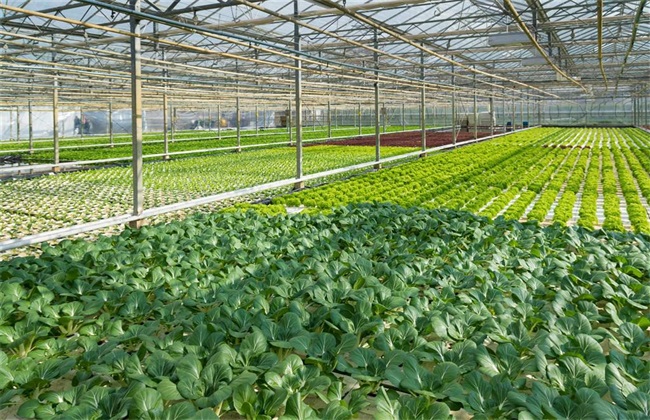
1. Prevent seedling flash-drying
When growing seedlings in winter, because the temperature is relatively low, you should use the method of a small tunnel inside a large greenhouse to ensure the growth temperature of the seedlings in winter. However, when ventilating, many people sometimes pull the vent wide open all at once because the weather has turned sunny. This makes it impossible for the seedlings to adapt to the sudden large temperature difference and wind, causing the seedlings to flash-dry. So when growing seedlings in winter, even on a clear sunny day, you must not ventilate all at once. Gradually uncover the covering, and during ventilation, if wilting occurs, cover them again in time, and wait until the seedlings return to normal before uncovering again. Repeating this operation can effectively reduce the flash-drying of seedlings.
2. Prevent root rot from waterlogging
The temperature in winter is very low, so watering work in winter is also very important. When watering, pay attention to the amount of water; do not flood-irrigate, and follow the principle of small-drop drip irrigation. Never water too much, because if you water too much, it will not only lower the ground temperature and damage the root system. If water accumulates, it will also cause the roots to rot, seriously affecting the plant's absorption of nutrients and water. So in winter we must pay attention to doing the watering work well to prevent root rot from waterlogging.
3. Prevent freezing damage
Winter not only has relatively low temperatures, but is also prone to various severe weather conditions, which are very unfavorable to the growth of vegetable seedlings. Therefore, when growing vegetable seedlings in winter, we must also do a good job of heat preservation, especially at night, to prevent cold waves at night from causing freezing damage to the seedlings. There are many ways to keep seedlings warm; besides adding coverings. You can also use ground heating wires, supplemental grow lights and various other methods for heat preservation. No matter what method is used, the temperature inside the greenhouse must be maintained to prevent the seedlings from freezing damage.
4. Prevent seedling death
As just mentioned, the temperature in winter is very low, so heat preservation is one of the important tasks in winter vegetable seedling cultivation. And while doing a good job of heat preservation, the ventilation conditions inside the greenhouse also become worse, making it easy for humidity inside the greenhouse to increase. This makes vegetable seedlings prone to damping-off, root rot and various other diseases, resulting in seedling death. Therefore, when growing seedlings in winter, while ensuring the temperature, you should do a good job of ventilation and dehumidification to reduce the incidence of disease and reduce seedling death.
The above is a brief introduction to the precautions for growing vegetable seedlings in winter. That is all for today's introduction. This article is for reference only, and I hope it can help everyone!