What are the precautions for using plant hormones on vegetables
In vegetable production, if plant hormones are used reasonably, they can bring higher yields and better quality to vegetables, and bring higher returns to farmers. However, in the process of using hormones, once they are used improperly, various physiological problems will appear, and instead of improving yield and quality, they will reduce yield and quality. So what should be noted when using plant hormones on vegetables? Let's learn about it together.
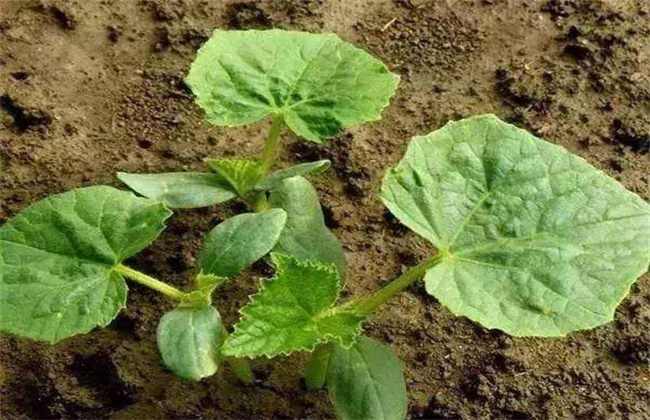
1. Pay attention to the timing of use
Plant hormones generally have a more obvious effect when used at a certain growth stage, and using them too early or too late will not produce the best effect. For example, paclobutrazol can control excessive vegetative growth during the young fruit stage of eggplant, but if applied during the full fruit stage, it will affect the yield. In addition, when spraying hormones, attention should also be paid to the timing. Generally, on a sunny morning or at a temperature between 20-25 degrees, the effect of the hormone is good. If used on cloudy days or in low-temperature and high-temperature weather, its effect will be affected.
2. Pay attention to the dosage and frequency of use
The use of plant hormones should also be determined according to the specific growth conditions of the plant. Generally, it is not suitable to use them continuously or with too high a hormone concentration, as this will cause adverse effects. If one application of the hormone does not achieve the expected effect, a small amount can be used multiple times as appropriate, to avoid hormone poisoning caused by frequent repeated use.
3. Pay attention to the method and site of use
Plant hormones can be applied by spraying, smearing, flower dipping, melon soaking, root drenching, and other methods to different parts of vegetables, achieving different effects. For example, for 2,4-D on young zucchini fruit, smearing it on the fruit stalk and flower stigma can promote fruit set. When using plant hormones, try to use them after determining the site, and do not let them touch other parts, so as to avoid hormone poisoning. For example, when applying 2,4-D to flowers, getting the solution on leaves or stems can very easily cause phytotoxicity, resulting in leaf drop.
4. Conduct a small-area test first
Because plant hormones are affected by factors such as temperature, climate, plant growth vigor, and different dosages during use, sometimes the effects of use in the same area and on the same crop will differ. Therefore, before using hormones on a large area, be sure to conduct a small-area test. After confirming the effect of the hormone, use it scientifically and reasonably, so as to avoid large-scale poisoning caused by unreasonable use, which has a relatively large impact on yield and causes relatively serious economic losses.
The above is an introduction to the precautions for using plant hormones on vegetables. We hope it can help you. To learn more related knowledge, please follow us.