What are the techniques for controlling excessive vegetative growth in cucumbers? Detailed explanation of common methods and key points
Cucumber is a very popular cucurbit vegetable in our daily lives and has a very large market demand in China. When growing cucumbers, management work is very important. If management is improper, cucumbers are very prone to excessive vegetative growth and spindly growth, leading to reduced yield and lower quality. So when growing cucumbers, what techniques are there for controlling excessive vegetative growth? Below, the editor will briefly introduce them to everyone. Let's take a look together!
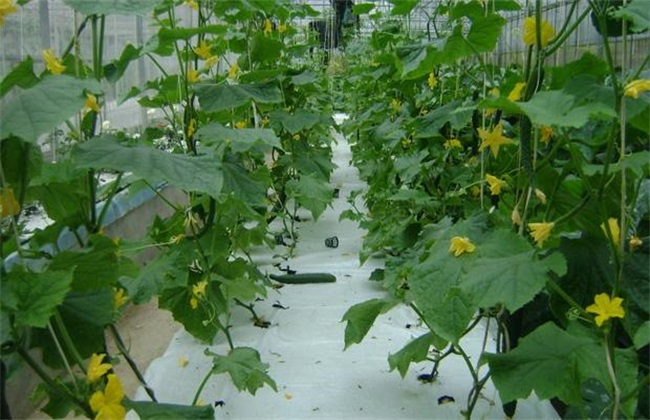
1. Reasonable watering
Watering is very important for the growth of cucumbers. When watering, attention should be paid to controlling both ends and promoting growth in the middle. Before cucumbers enter the fruiting stage, watering should follow the principle of cultivating and preserving soil moisture and raising soil temperature. Keep the soil in a state of alternating dry and wet. After entering the fruiting stage, water about once a week. Before picking cucumbers each time, be sure to water once to prevent excessive spindly growth, and after harvesting the top cucumbers, also control the amount of watering to promote the emergence of new roots.
2. Scientific fertilization
While ensuring sufficient nitrogen in the soil, appropriately increase the proportion of phosphorus and potassium fertilizers, and apply topdressing in the form of liquid fertilizer. Usually, before the root cucumbers have swollen, apply an appropriate amount of urea as topdressing, generally about 18 kg per mu. Combine with an appropriate amount of potassium sulfate, diammonium phosphate, etc. Then, in the later period, apply topdressing once every two harvests, and in the middle and late periods, apply about two applications of decomposed farmyard manure along with water. Do not over-apply nitrogen fertilizer, otherwise cucumbers are very prone to excessive vegetative growth.
3. Temperature control
During the growing period of cucumbers, temperature control requires special attention. The suitable temperature for cucumber development is generally around 28°C. The maximum should not exceed 30°C. If it exceeds 30°C, cucumber plants are also very prone to rampant growth. Therefore, during cucumber growth, the daytime temperature should be maintained at around 25-30°C, and the day-night temperature difference should be controlled at around 10°C. This prevents excessively strong respiration in cucumbers from affecting the accumulation of dry matter in the plants.
4. Humidity control
Humidity is also very important for the growth of cucumbers. We should adjust the air humidity according to the growth habits of cucumbers. During the growth and development period of cucumbers, humidity should be maintained at around 70%. The humidity in the greenhouse should not exceed 85%. If it exceeds this, ventilation work should be done in time to reduce the humidity in the greenhouse. When the sunset temperature is around 12°C each day, ventilate for about one hour. This can reduce the nighttime temperature and humidity in the greenhouse, prevent them from being too high and causing excessive vegetative growth in cucumbers, and can also effectively prevent pests and diseases and improve the flowering and fruiting rate of cucumbers.
The above is a brief introduction to what techniques there are for controlling excessive vegetative growth in cucumbers. In addition to the above, we should also do various tasks well, such as vine tying and fruit protection, to ensure healthy growth of cucumbers. That is all for today's introduction. This article is for reference only and I hope it can help everyone!