What are the causes of premature senescence in vegetables and the prevention and control measures?
Vegetables are an essential food in daily life, and premature senescence of vegetables is the most common problem in production, seriously affecting the quality and yield of vegetables. So how to delay plant senescence and increase vegetable yield has become a key focus of vegetable cultivation. Let's take a look below at the causes of premature senescence in vegetables and the prevention and control measures.
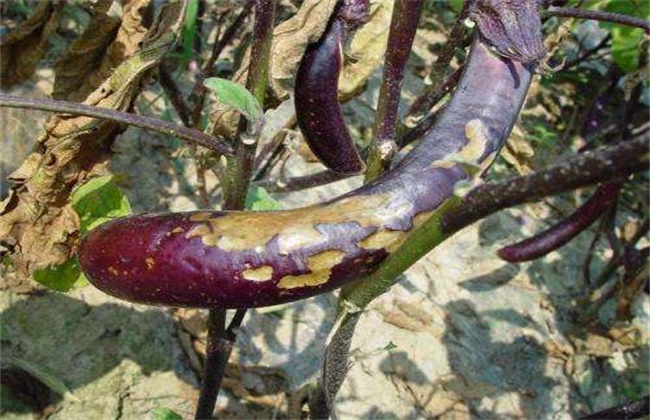
I. Causes of premature senescence
1. Aging of seedlings
During the vegetable seedling-raising process, if the seedling age is too long, it will lead to aging of the seedlings. In addition, to inhibit excessive growth of seedlings, spraying plant growth regulators such as paclobutrazol, chlormequat and mepiquat during the seedling stage will also lead to aging of the seedlings. After such seedlings are transplanted, they show slow recovery, poor main root growth, and lay hidden dangers for premature senescence later on.
2. Root damage
Long-term use of chemical fertilizers causes soil compaction or salinization, or the use of undecomposed farmyard manure causes root burn. Improper fertilizer and water management in production management can also cause root damage or poor development. All of these lead to poor plant nutrition and cause premature senescence.
3. Pests and diseases
Pests and diseases are also a key cause of premature senescence in vegetables. After entering winter, the environment of low temperature, high humidity and insufficient light creates favorable conditions for the occurrence of pests and diseases. Pests and diseases harm the plants, affecting photosynthesis and nutrient uptake, and inducing premature senescence.
II. Prevention and control measures
1. Transplant at the appropriate seedling age
Arrange the seedling-raising time reasonably and transplant at the appropriate seedling age. Strengthen fertilizer and water management during the seedling stage, use plant growth regulators reasonably, and pay attention to concentration and frequency to avoid aging of the seedlings and cultivate strong seedlings.
2. Nurture the roots
Deep plow the soil to create a good soil environment. Deep plowing should bring the plow layer to 35-40 cm, increase soil permeability and fertilizer retention capacity, and promote root development. Water and fertilize reasonably to promote root development. For the base fertilizer, choose fully decomposed organic fertilizer. For later topdressing, alternately use high-potassium fertilizer and balanced fertilizer, and avoid long-term partial application of high-potassium fertilizer. After transplanting, control watering, strengthen intertillage, and use plastic film mulching after transplanting to raise soil temperature, promote downward root growth and improve root absorption capacity.
3. Use pesticides reasonably to control pests and diseases
To control vegetable pests and diseases, adopt the principle of prevention first and spray pesticides early for prevention. Note that spraying should be scientific and reasonable, and strictly avoid spraying too frequently or at too high a concentration, so as to avoid pesticide damage and accelerate premature senescence of vegetables.
III. Response measures after premature senescence occurs
1. Remove leaves and thin fruits
After premature senescence occurs in vegetables, in addition to raising the room temperature, it is also necessary to thin flowers and fruits, appropriately retain fewer fruits, and promote vegetative growth. At the same time, harvest early in a timely manner, and promptly remove diseased leaves and yellow leaves on the lower part to reduce nutrient consumption.
2. Nurture roots and protect leaves
In the middle and late stages of vegetable growth or when the growth is weak, the most common practice is foliar fertilization. You can spray amino acid leaf fertilizer plus nitrogen-phosphorus-potassium leaf fertilizer, which can delay leaf senescence and promote the leaves to return to normal.
3. Prevent pests and diseases
After premature senescence occurs, disease resistance is poor. At this time, pesticides are needed to control pests and diseases. Broad-spectrum fungicides such as azoxystrobin, boscalid and pyraclostrobin can be used to control diseases, and pesticides such as abamectin, imidacloprid and bifenthrin can be used to control insect pests.
The above is an introduction to the causes of premature senescence in vegetables and the prevention and control measures. We hope it can help you. If you want to learn more related knowledge, please stay tuned to us.