What to Do About Multiple Ears on Corn? Find the Cause and Take Timely Action
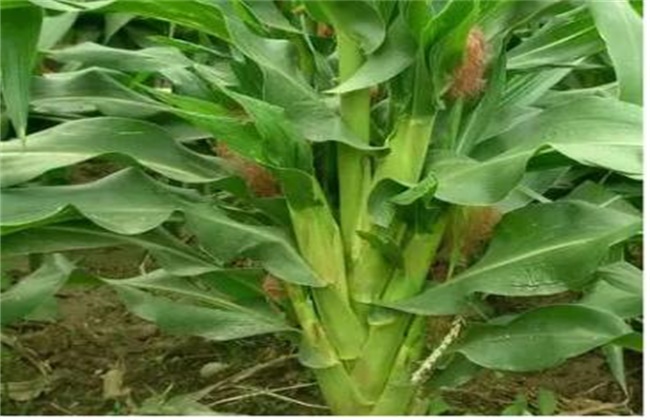
Corn is a very popular food crop in China, with a large planting area. Although growing corn is relatively simple, many problems can still arise during cultivation and affect its yield. One of these is multiple ears on corn, which causes the ears to become smaller and seriously reduces the yield. So what should be done about multiple ears on corn? Below, the editor will give a brief introduction for everyone. Let's take a look together!
1. Variety selection
One of the causes of multiple ears in corn is the variety itself. Before planting corn, we should scientifically select suitable varieties according to local conditions. We must not blindly follow the crowd, and should base the choice on what suits the local environment and market. When selecting varieties, priority should be given to those with wide adaptability and strong stress resistance, which can effectively reduce multiple ears. If the variety being planted is one that tends to produce multiple ears, then after corn enters the silking stage, ineffective ears should be removed in time to avoid the occurrence of multiple ears.
2. Reasonable planting
Corn is a cross-pollinated plant, and the main route of pollination is wind. Therefore, when planting corn, we should plant at a reasonable density, improve the air permeability of the cornfield, and enhance wind pollination. This can effectively improve light energy utilization and the success rate of pollination. It is also very beneficial to the overall growth of corn, and the phenomenon of multiple ears can be effectively reduced. The planting density should be reasonably adjusted according to different varieties. For example, for compact-growing corn varieties, the number of plants per mu should be kept at about 4,300, and planting should not be too dense or too sparse.
3. Strengthen management
Improper fertilizer and water conditions are also a main cause of multiple ears in corn. The fertilizer demand of corn changes with the growth stage. During the seedling stage, because its growth capacity is not strong, its nutrient demand is also relatively low. When it enters the jointing and tasseling stage, this is the peak period of corn's fertilizer demand. When fertilizing, apply fertilizer reasonably according to the fertilizer demand pattern of corn, and do not overapply nitrogen fertilizer. Then, when corn encounters water shortage, water it in time, especially around the tasseling stage, when corn is very sensitive to water demand. Soil moisture content should be kept at about 75%, to minimize the phenomenon of multiple ears.
4. Artificial pollination
After corn enters the silking stage, if multiple ears are found, then the ears on the lower part of the plant should be removed in time to avoid consuming too many nutrients. It is enough to keep about two ears on the upper part of the plant, concentrating nutrients for the purpose of cultivating large ears and increasing corn yield. In addition, when removing ears, be careful not to damage the plant stems and leaves. Then, during the flowering stage of corn, appropriate artificial pollination should be carried out, which can effectively improve the seed-setting rate of corn and reduce abnormal tasseling. If drought, strong winds, heavy rain, and other conditions occur, then cross-field pollen collection and pollination should be carried out in time.
The above is a brief introduction to what to do about multiple ears on corn. Multiple ears on corn can have a great impact on corn yield, so everyone must pay attention to it, strengthen management, and be more observant. That is all for today's introduction. This article is for reference only, and I hope it can be helpful to everyone.