What to Do About Yellow Leaves on Tomatoes? Cause Analysis and Preventive Measures
During tomato cultivation, yellowing leaves are a common phenomenon. Sometimes it is the old leaves, and sometimes the young leaves, functional leaves, and heart leaves, and this has a certain impact on tomato yield. So what are the causes of yellow leaves on tomatoes? Let's take a look together.
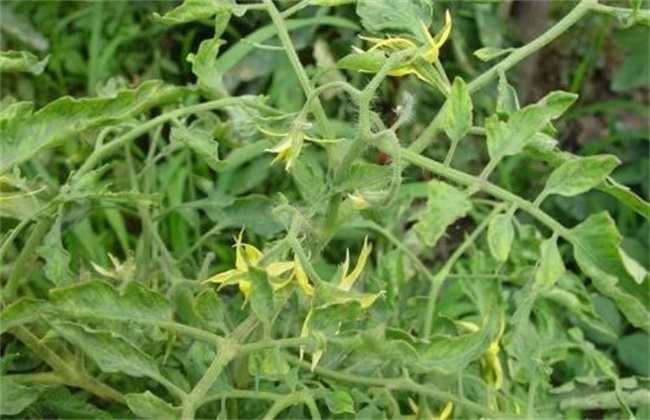
1. Fertilizer and water causes
In daily management, because of excessive fertilization, the root system is damaged and cannot absorb enough nutrients and water to supply plant growth, so the leaves turn yellow. When watering is improper, a single excessive watering causes waterlogging in the field, which very easily produces root rot and can also cause yellow leaves on tomato plants.
Preventive measures: Watering and fertilizing should be reasonable and scientific, and watering and fertilizing should be done according to the different growth stages of the plant. When fertilizing, pay attention to the balance of nitrogen, phosphorus, and potassium, and it is not advisable to apply nitrogen fertilizer alone. At the same time, also pay attention to supplementing trace elements to promote normal tomato growth. When watering, be careful not to use flood irrigation, and drain promptly after rain to avoid waterlogging and root rot.
2. Nutrient deficiency
The growth and development of tomatoes cannot be separated from a variety of trace elements. When the plant lacks trace elements, it will cause physiological diseases. For example, magnesium deficiency causes old leaves to turn yellow; zinc deficiency causes the veins of middle leaves to remain green while the leaf flesh turns yellow; manganese deficiency causes green veins with yellow patches on the leaf flesh; sulfur deficiency causes young leaves to turn yellow.
Preventive measures: In the planting and management of tomatoes, in addition to applying trace elements in the base fertilizer, foliar fertilizer should also be sprayed promptly in the middle and late stages of planting and growth to supplement trace elements and reduce the occurrence of physiological diseases.
3. Soil salinization
When tomatoes are cultivated continuously year after year in greenhouses, the base fertilizer is mostly chicken and duck manure plus chemical fertilizers. Over time, this leads to soil salinization, which inhibits tomato root growth and, in severe cases, may even cause root death, so yellow leaves are actually a relatively mild symptom.
Preventive measures: Use the idle period of the greenhouse to remove the film and let heavy rain wash the soil, or use river water and well water for multiple irrigations to leach salts. When fertilizing, add microbial bacterial fertilizer to regulate the activity of beneficial bacteria in the soil, or apply acidic fertilizer to adjust the pH value.
4. Pests and diseases
Some diseases can also cause yellow leaves on tomatoes, such as some soil-borne diseases and aboveground diseases. Diseases like early blight and brown spot can all cause yellow leaves. The same is true for insect pests. When pests are severe, they cause leaves to turn yellow. Pests that cause yellow leaves include whiteflies, mites, and leafminers.
Preventive measures: For root soil-borne diseases, during the high-temperature crop rotation stage, chemicals can be used to heat-seal the greenhouse and treat the soil. For aboveground diseases, spray chemicals promptly and apply the right medicine to reduce the disease incidence. For pests, physical control and chemical control can be combined, keeping them within a range that does not affect normal tomato growth.
The above is an introduction to the causes of yellow leaves on tomatoes and preventive measures. We hope it can help you. If you want to learn more related knowledge, please follow us.