What causes gummosis in cucumbers? A full analysis of prevention and control methods
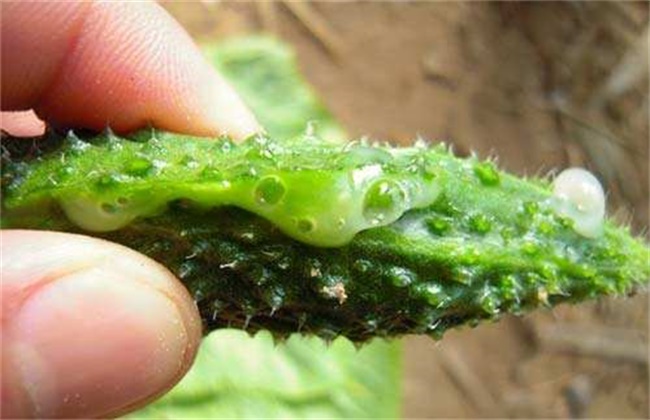
Cucumber is a common vegetable in daily life and is widely grown, but during cucumber cultivation, gummosis of the stems and vines often occurs, causing the stems and vines to gradually wilt until they die. After the fruit develops gummosis, its commercial value is low, and it may even become deformed or soft-rotted, causing the cucumber to lose its edible value. In mild cases this reduces yield, and in severe cases it can lead to total crop failure, causing great harm to production. So what causes gummosis in cucumbers? Let's take a look together.
I. Bacterial diseases
Bacterial canker and marginal blight of cucumber are the main bacterial diseases that often cause bacterial ooze on the fruit. When the disease occurs, white flower-like bacterial ooze appears on the fruit and does not flow easily; the wound at the ooze site is unclear, and the color is generally white. It also causes the fruit to rot and give off a foul odor.
Prevention and control methods: Bacterial agents can be sprayed on the leaves, and at the same time the plants must be prevented from developing wounds, otherwise they are highly susceptible to bacterial diseases. For greenhouse cultivation, the indoor temperature should be lowered; on consecutive rainy days, rice husks can be laid down to reduce humidity and increase carbon dioxide content, which has a clear effect on increasing yield.
II. Fungal diseases
There are many fungal diseases that cause gummosis in cucumbers, including gray mold, sclerotinia rot, black spot, gummy stem blight, and brown spot. Their disease symptoms all include the phenomenon of gummosis.
Prevention and control methods: The control of these diseases should be based on comprehensive management according to their disease characteristics. First, preventive measures should be taken well, reducing field humidity and increasing ventilation. During agricultural operations, try not to leave wounds. After picking leaves and fruits, apply chemicals to prevent fungal invasion. When the disease occurs, identify the symptoms of each disease and then apply the appropriate treatment.
III. Physiological diseases
Gummosis on the fruit caused by physiological diseases generally appears as fine cracks on the surface of the fruit, followed by gummosis. The main causes are: first, alternating dry and wet watering; during the fruit harvest period, the fruit grows slowly. During long-term drought, water should not be applied, otherwise it will cause cracks in the fruit epidermis and gummosis; second, poor ventilation or sudden ventilation can also cause the cucumber epidermis to wrinkle and crack, resulting in gummosis; third, improper use of hormones, such as too high a concentration of flower-dipping solution or applying a large amount of hormone fertilizer, will cause cucumbers to grow rapidly in a short time, leading to cracks in the epidermis and gummosis.
Prevention and control methods: Reasonable watering and ventilation are necessary conditions for the normal growth of cucumbers. When using hormones, pay attention to weather changes and lower the concentration on cloudy days. In addition, pay attention to the type of hormone, because cucumbers respond differently to different hormones, and improper use may cause severe gummosis.
The above is an introduction to the causes of gummosis in cucumbers and prevention and control methods. We hope it can help you. To learn more related knowledge, please follow us.