What to do about dry tips on tomato sepals? Causes and control methods
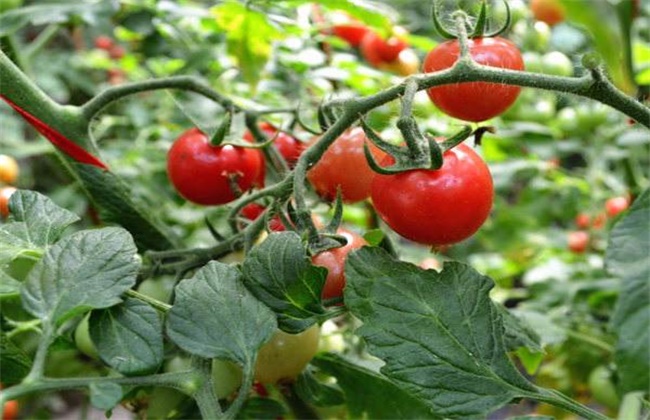
The sepals of tomato fruit have now become a standard for measuring fruit quality. If the sepals of tomatoes show dry edges, rot, or yellowing, the price of the tomatoes will be greatly reduced. However, during the growing process, dry tips on tomato sepals are a common occurrence, so what causes dry tips on tomato sepals? Let's find out together.
1. Improper use of hormones
Many vegetable growers use an unreasonable concentration of ethephon when ripening tomatoes. Generally, 40% ethephon at about 3000 times dilution is more suitable, but some vegetable growers are eager for quick results and use a concentration of 1000 times or several hundred times. Improper concentration easily causes dry tips on tomato sepals. So when using hormones to ripen tomatoes, be sure to mix the concentration reasonably according to the agent's instructions, and never mix it at will. At the same time, pay attention to the combination of hormones, as some hormones will counteract each other.
2. Nutrient deficiency
During the color-turning period of tomatoes, if trace elements are lacking in cultivation, it often causes abnormal phenomena such as yellowing sepals or curled leaves. So during the color-turning period of tomatoes, spray foliar fertilizer in time to supplement the trace elements the plant needs. When applying additional fertilizer to the soil, also pay attention to supplementing foliar fertilizer, so as to prevent the sepals from curling and developing dry tips due to nutrient deficiency.
3. Excessive water control
Winter temperatures are relatively low. If soil moisture is high at this time, diseases will be more serious, so many vegetable growers often control water in winter. But if water control is excessive, it can also cause yellowing or curling of the sepals. So when controlling water to prevent disease in winter, control water on the premise of keeping the soil moist, to avoid excessive water control causing yellowing of the sepals.
4. Low temperature
In winter, some spraying is done because the insulation effect is poor, or watering is done on cloudy and rainy days, causing low temperatures to remain too low for a long time. Because root activity is reduced, less nutrients and water are absorbed, and the plant's nutrient supply is insufficient. Over time, this causes the sepals to turn yellow and curl. So during the color-turning period of tomatoes in winter, pay attention to insulation, keeping the daytime temperature between 25-28 degrees and the nighttime temperature above 16 degrees, to reduce the occurrence of dry tips on sepals.
The above is an introduction to the causes of dry tips on tomato sepals and control methods. I hope it can help you. If you want to learn more related knowledge, please stay tuned to us.