Cultivation Techniques and Management Methods for Paris polyphylla
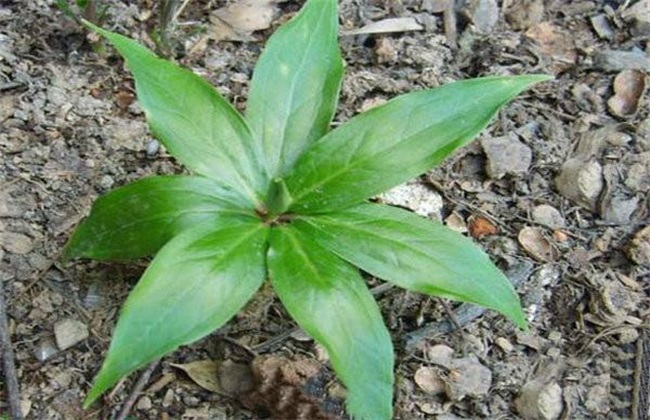
Paris polyphylla, also known as qiyeyizhihua, qiyelian and so on, is a perennial herbaceous plant. It is a traditional Chinese medicinal herb with a very long history of use in China, and its planting area in China is very large. It has various effects such as detoxification and anti-cancer, reducing swelling and relieving pain, and is quite widely used in clinical practice. So how should Paris polyphylla be cultivated? Below, the editor brings you the cultivation techniques for Paris polyphylla. Let's take a look together!
1. Site selection and land preparation
Paris polyphylla likes to grow in a cool, shady and moist environment. When planting Paris polyphylla, we should choose suitable soil according to its growth habits. Soil plots rich in humus, moist and with a certain degree of shade should be given priority. After selecting the site, do the land preparation work well in autumn and winter, and plow the soil deep by about 22 cm. During land preparation, apply fully decomposed farmyard manure, maintaining about 3000 kg per mu. Turn the fertilizer into the soil, then before planting, shallow-plow and harrow the soil again, level it and make beds, and wait for planting.
2. Propagation methods
Paris polyphylla has two propagation methods: tuber propagation and seed propagation. Among them, because seed propagation takes a relatively long time to produce output, in production, tuber propagation is mainly used. Tuber propagation is generally carried out in autumn. After October, dig out the underground tubers of the plants and select robust ones free from pests and diseases. Cut the tubers into about 3 cm pieces, keeping a bud on each tuber, and the rest can be processed. Then, on the prepared plot, control the plant and row spacing at about 22 cm and dig planting holes about 7 cm deep. Then, with the buds facing upward, place one tuber in each hole, and cover with an appropriate amount of fine soil and soil mixed with manure.
3. Building shade sheds
Paris polyphylla is a shade-loving plant. During growth, it should not be exposed to direct strong light, and it is also not suitable for growing in a high-temperature environment. Therefore, we need to do a good job of building sheds for shade. After the Paris polyphylla seedlings emerge and are transplanted, the shed can be built, and the height of the shade shed should be controlled according to the growth time of the seedlings. For seedlings within three years old, keep the shade shed height at about 2 m. For seedlings over three years old, the shade shed should be appropriately increased by about 50 cm. The shed surface should be covered with shade netting. After transplanting in the first year, maintain a shade degree of about 80%, then it can be reduced by 10% in the second year, and finally in the fourth year, maintaining a shade degree of about 60% is sufficient.
4. Field management
After the Paris polyphylla seedlings have all emerged or after transplanting, pay attention to doing a good job of weed control. Mainly hoe frequently and shallowly to prevent damaging the seedling roots, and then pay attention to maintaining moisture on the bed surface. When planting Paris polyphylla, the application of base fertilizer is very important, and the amount should be maintained at about 75% of the fertilizer requirement throughout the entire growth period of Paris polyphylla. Use little or no chemical fertilizer, and do not use chemical nitrogen fertilizer. Then do a good job of watering, but in the rainy season, do a good job of drainage. Then, in order to reduce nutrient consumption, all flower stalks after seed reservation should be cut off.
The above is a brief introduction to the cultivation techniques for Paris polyphylla. That is all for today's introduction. This article is for reference only, and I hope it can help everyone!