How to manage peanuts in the late growth stage? Detailed explanation of key technical points
In our daily lives, we come into contact with quite a lot of peanut-related things. Peanuts have a very broad audience, and they are grown in most provinces in our country. When we grow peanuts, management work is very important, and we need to adjust our management methods according to the growth stages of peanuts. So how should they be managed in the late growth stage? Below, the editor will give everyone a brief introduction. Let's take a look together!
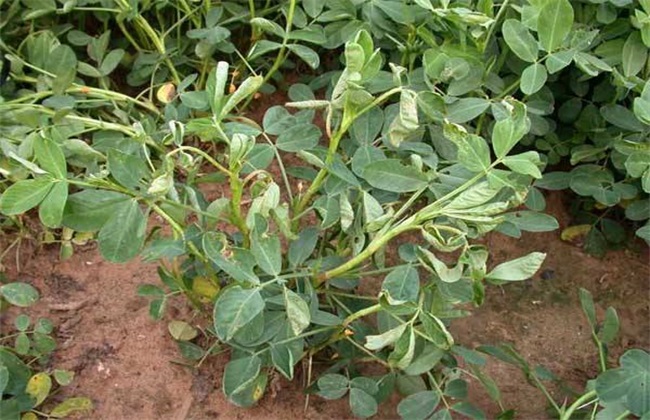
1. Prevent excessive vegetative growth
After peanuts enter the late growth stage, they are usually in the pod-filling stage. At this time, the vegetative growth of peanuts begins to decrease, nutrients gradually become concentrated in the pods, and dry matter in the pods begins to accumulate. However, sometimes due to various reasons such as temperature, light, and nitrogen fertilizer, peanuts may show excessive vegetative growth. Excessive vegetative growth leads to the consumption of too many nutrients, inhibits the accumulation of dry matter, and has a very large impact on yield. Therefore, if there is excessive vegetative growth, corresponding measures should be taken in time to inhibit vegetative growth and ensure normal peanut growth.
2. Water management
Water management is very important for peanut growth, and waterlogging in the field should be prevented. Especially in the late growth stage of peanuts, attention should be paid to preventing water accumulation in the field. If there is rainy weather, drainage should be carried out in time. If water accumulates in the field and humidity is too high, it will cause excessive vegetative growth of the plants. Soil permeability will also be reduced as a result, affecting the growth of roots and pods. This leads to many phenomena such as root rot and sprouting, causing great harm to both yield and quality. Therefore, in the late stage, we must pay attention to timely drainage and lower the water level in the field.
3. Proper weeding
Under normal cultivation, peanuts in the late growth stage are generally in a high-temperature and rainy environment. This environment is very favorable for weed growth, and many growers think that in the late growth stage, weeds cannot have much impact on peanut growth. In fact, this is wrong. Weeds not only seize the nutrients for peanut growth, but also reduce the permeability of the field. Water and nutrients will be taken away by weeds, causing insufficient nutrients and water for peanut pods, reducing yield, and quality will also decrease as a result.
4. Timely harvest
Finally, peanuts should be harvested at the right time. When the upper leaves of the peanut plant gradually turn yellow, and the middle leaves have already begun to fall off. In addition, if the reticulation on the pods is clear, then they are basically mature. You can also open the shell to check. If there is a black luster and the seeds are plump, then they are fully mature. When the full-pod rate reaches about 85%, they can be harvested at the right time. Pay attention to the harvest time. Harvesting too early or too late will have a great impact on the yield and quality of peanuts.
The above is a brief introduction to how to manage peanuts in the late growth stage. That is all for today's introduction. This article is for reference only, and I hope it can help everyone!