The correct method and key operational points for stepping on peanut seedlings
Peanuts are a very common food in our lives, whether used in cooking or as a snack, and they have a very large market demand in our country. Because of this large market demand, the planting area for peanuts is now also quite large. When planting peanuts, there are many small techniques to increase yield. Stepping on seedlings is one of them, so how should peanuts be stepped on? Below, the editor brings you the peanut seedling stepping method. Let's take a look together!
1. Timing for stepping on seedlings
The method of stepping on peanut seedlings is actually quite simple; you just need to control the timing well. Generally, growers choose to step on the seedlings at the end of July each year. Actually, when stepping on the seedlings, it is best to choose a sunny day and do it at 14:00-15:00. This is because at this time the sunlight intensity is not too strong, and the temperature is much lower than at noon. Also, after the midday sun exposure, the stems and leaves of the peanut plants will shrivel somewhat, and these conditions are very suitable for stepping on the seedlings.
2. Method for stepping on seedlings
When stepping on the seedlings, we should pay attention to proceeding in order. It is best to step the peanut seedlings in one direction, so that the seedlings can maintain a consistent growth direction. The fruits produced by most plants will also be relatively uniform. When stepping, pay attention to controlling the force, just enough to make the plants fall over on the ground. Absolutely do not break the peanut plants, otherwise if the stems and leaves cannot transport nutrients, not only will the goal of increasing yield not be achieved, but in severe cases it may even cause the peanut plants to die, so everyone must pay close attention.
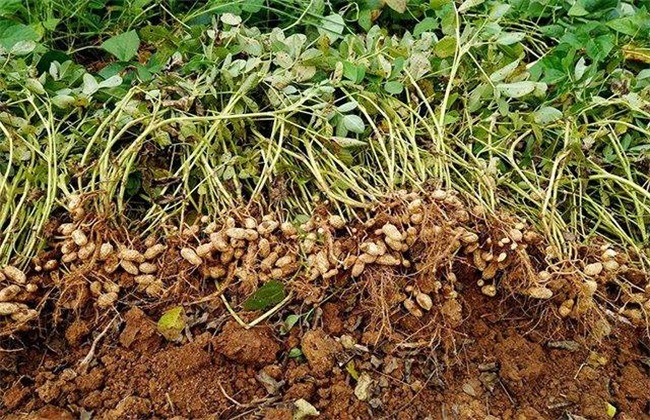
After the peanut plants are stepped down, the absorption and transport of nutrients by the stems and leaves gradually decrease. The peanut pegs then begin to penetrate into the soil, concentrating nutrients at the plant roots. The fruits in the soil can then absorb sufficient nutrients, and the fruit growth capacity is enhanced, so not only will the yield increase, but the fruit quality will also improve. Because the nutrients absorbed by the stems and leaves are reduced, nutrient consumption is also lowered, so nutrients can be concentrated more in the fruits, thereby achieving the goal of high yield and high quality.
Moreover, after the peanut plants fall over, the area of stems and leaves that can receive light becomes larger, and photosynthesis can therefore also be enhanced. Photosynthetic substances and nutrients can both increase. Therefore, the growth rate of the plants will also accelerate, and under conditions of sufficient nutrients, the roots will receive more nutrients. So as long as the seedlings are stepped on reasonably, it is beneficial in every way for peanut growth and can also improve growers' farming benefits.
The above is a brief introduction to the peanut seedling stepping method. The peanut seedling stepping method is relatively simple and is very beneficial to peanut growth, so everyone can try it appropriately. That is all for today's introduction. This article is for reference only, and I hope it can help everyone!