Why are soybean pods not plump? Causes and control measures
Soybean is an important food crop in China, but during cultivation, non-plump soybean pods often occur, and this phenomenon seriously affects the yield and quality of soybean. So what are the causes of non-plump soybean pods? How should they be controlled? Let's learn about it together.
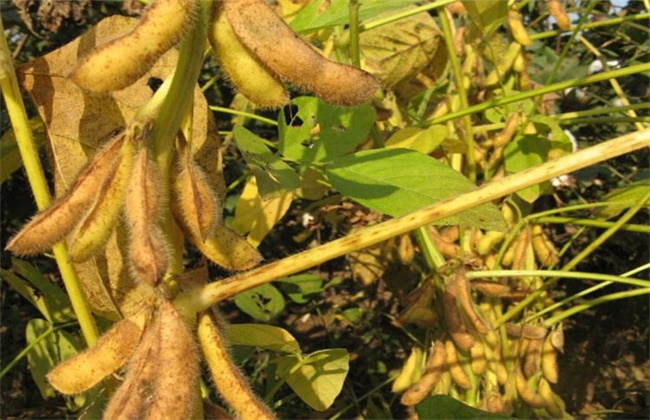
I. Causes of non-plump soybean pods
1. Insufficient nutrients in the later stage
Soybean consumes a large amount of nutrients after flowering. If fertilizer is not applied in time at this point, it will lead to insufficient nutrients after full bloom, causing yellowing leaves and short plants, resulting in non-filled pods.
2. Nutrient imbalance
Applying too much nitrogen fertilizer during fertilization causes an imbalance in the carbon-to-nitrogen ratio, which leads to taller plants, longer internodes, excessive lush foliage with delayed maturity, sparse flowers and pods, and the formation of empty pods and half-shriveled pods; moreover, the maturity period of the pods will also be delayed.
3. Long-term drought
When soybean is flowering and encounters a long period of drought, the leaves will wilt and turn yellow and withered, which will cause the pods to stop growing and may even kill the whole plant. In plots with a shallow tillage layer and insufficient water, non-filled soybean pods are even more serious.
4. Cold damage
For late-sown or late-maturing varieties, in plots still flowering from late September to early October, because autumn temperatures drop and leaf photosynthesis weakens, young pods will also stop developing, resulting in non-plump pods.
5. Pests and diseases
Summer and autumn are the peak period for soybean viral diseases. Viral diseases cause leaves to wrinkle and young pods to become deformed, and damage from the soybean pod borer causes empty, shriveled pods with wormholes.
6. Uncoordinated light and temperature
In low-altitude areas, July-August is under long-day, high-temperature conditions. Long days delay soybean grain development, while high temperatures promote rapid development and aging of pods, resulting in soybean producing many flowers and pods but no filled seeds.
II. Control measures
First, according to the climatic characteristics of different regions, select suitable varieties to strive for high yield; then, according to the light and temperature changes in different regions, select adapted varieties. Field management should be strengthened, and when drought occurs, water should be applied timely and appropriately to meet the water demand for soybean growth and development. The habit of growing soybean without fertilizing should be changed, and scientific formula fertilization should be carried out according to the fertilizer requirements of soybean. If fertilizer deficiency appears in the middle and late stages, foliar fertilizer can be sprayed to supplement nutrients to avoid deficiency and premature aging. Pest and disease control should be taken seriously, and once pests or diseases are found, they should be controlled promptly to prevent the disease from spreading.
The above is an introduction to the causes of non-plump soybean pods and control measures. We hope it can help you. To learn more related knowledge, please stay tuned to us.