When Do Peanuts Mature? A Detailed Guide to the Signs of Maturity
The peanut is a very common crop in China, and also a very important oilseed crop. It is grown across a wide area in China, and peanut yields are very high. When growing them, we need to pay attention to the timing of peanut maturity and harvest them in good time. If the harvest time is not right, it will affect the peanut yield. So when should peanuts be harvested? Below, the editor brings you the signs of peanut maturity. Let's take a look!
I. Time of Maturity
The time it takes for peanuts to mature varies. It depends on factors such as the growing region and the planting time. The peanut variety grown is also a major factor affecting maturity. Under normal circumstances, the growing cycle of peanuts is about 3-5 months. If the variety is a mid-to-late maturing peanut, then the time to maturity is generally a bit longer, about half a year. Also, if they are planted early, the harvest time will be earlier too; conversely, it will be later. These are all things to keep in mind when harvesting peanuts.
II. Signs of Maturity
1. Appearance of the Plant
After peanuts mature and enter the harvest period, the plant, stems and leaves all change considerably. Judging by the plant's appearance, the day-opening and night-closing behavior of the upper leaves gradually disappears, or becomes less pronounced. The middle and lower leaves begin to change color, gradually turning yellow. The color of the stems also gradually turns yellow-green, and they begin to wither and soften. Because the plant withers and softens, it changes from a compact plant shape to a loose one. If you look closely, the plant also shows signs of lodging, and at this point the peanuts are ripe, and it is also the best time to harvest them.
2. Pod Maturity
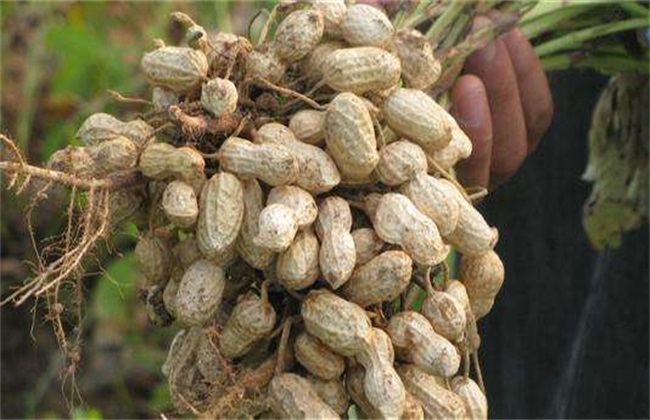
We should also judge whether peanuts are ripe based on the maturity of the peanut pods. The criteria differ depending on the variety. For example, for small-podded early-maturing peanut varieties, the full-pod rate must be above 75%. For medium-podded mid-maturing varieties, the full-pod rate should be 65%, and for common late-maturing varieties, it should also reach a full-pod rate of 45%. If, on close inspection, the pods have obvious veining, the inner spongy layer gradually shrinks and splits, and the kernels are plump, then they should be harvested in good time. If the harvest is too late, it will greatly affect both the quality and the yield of the peanuts.
3. Different Conditions Mean Different Harvest Times
In addition, we should also determine the peanut harvest time according to the actual situation. For example, if soil fertility and the variety grown are the criteria, then poor, barren land and early-maturing varieties should generally be harvested first. Conversely, plots with good fertility and late-maturing varieties should be harvested appropriately later. If you want to keep seed for yourself, then the harvest time should be earlier than for ordinary peanuts. When harvesting, we should keep an eye on weather changes, avoid getting rained on, and prevent the peanuts from becoming damp, which would reduce the benefits of growing them. Also, because freshly harvested peanut pods have a moisture content as high as 50%, they should be dried promptly to prevent mold and rot.
The above is a brief introduction to when peanuts mature and the signs of peanut maturity. That is all for today's introduction. This article is for reference only, and I hope it can be of some help to everyone!