Detailed Explanation of Key Techniques for Late-Autumn Delayed Tomato Cultivation
In-season tomatoes basically stop bearing fruit in autumn, but if you want to continue cultivating tomatoes in autumn, the external environment is unsuitable, so you can carry out protected cultivation, and the cultivation method is late-autumn delayed cultivation. In some areas, people use the side shoots of in-season tomatoes for direct cutting propagation and cultivation, with relatively good results. Next, let us learn about the specific late-autumn delayed cultivation methods together.
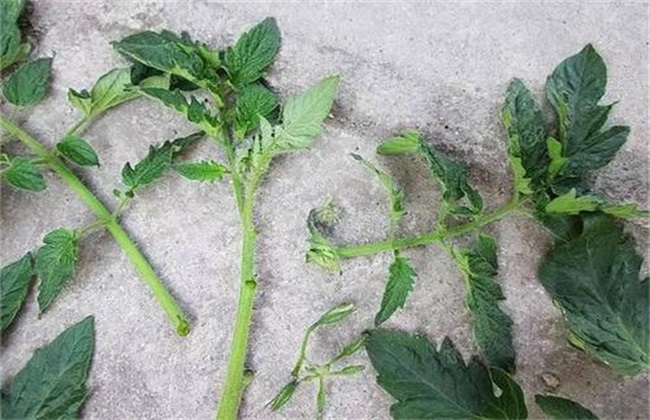
1. Seedling raising time
Using cutting propagation can shorten the seedling raising time and strive to avoid being affected too much by the external climate. Cuttings can be started in June; raising seedlings at this time has relatively suitable temperatures and fast growth. But do not do it too early either; when encountering high temperatures, the seedlings are prone to disease, the survival rate after planting is low, and the seedlings easily die. But if seedlings are raised too late, the cultivation period is likely to encounter frost, and the fruit will be difficult to ripen. Even after moving into protected cultivation, it will still be affected by the outside.
2. Seedling raising method
Roll up the film on both sides of the seedling shed, and surround it with film on all sides to facilitate ventilation and light exposure. Set up insect-proof netting, install a sky film and shade net, and dig drainage ditches around it. Take healthy sprouts and side shoots from the base, with a few leaves. Cut off part of the lower end, soak in a 500-fold dilution of 25% carbendazim wettable powder for a few minutes, and after drying, dip in rooting powder and insert the cuttings. Use clean seedling trays, fill them with sterilized culture substrate, and insert the sprouts two centimeters into the substrate. Spray thoroughly with water, place on the seedbed, and build a small arch shed.
3. Seedling management
Within five days after cutting, the film must not be uncovered, and a temperature of 30 degrees should be maintained; at 305 degrees, shade netting needs to be covered. Cover when the sun comes up in the morning, uncover when the sun sets and the temperature drops, and do not cover on cloudy and rainy days. After that, spray water morning and evening, spray a 0.3% urea solution, spray a 0.2% potassium dihydrogen phosphate solution at an interval of two days, and after another few days, urea can be sprayed again. Apply water-soluble fertilizer at intervals of one week.
4. Planting method
Generally, after about one month of cultivation, they can be planted; a few days before planting, remove the flower clusters. This maintains vegetative growth and promotes growth and sprouting. Carry out planting on cloudy days to help the seedlings recover, reduce water evaporation, and improve the survival rate. After the seedlings recover, water and fertilize to promote growth; during the recovery period, harden the seedlings to help later growth. Planting row spacing is 20 centimeters, and plant spacing is 10 centimeters.
For late-autumn delayed tomatoes, using the side-shoot seedling raising method is relatively efficient. The main thing is raising seedlings, and then the continuous management after planting.