Detailed Explanation of Fertilizer and Water Management Techniques for Chinese Cabbage
Everyone has surely eaten Chinese cabbage. Although it is cheap and common, its nutritional value is very high. It is rich in nutrients and has a large market demand in China. At present, the planting area of Chinese cabbage is also relatively wide. When growing Chinese cabbage, we need to do a good job in fertilizer and water management. So how exactly should it be done? Below, the editor brings you the fertilizer and water management techniques for Chinese cabbage. Let's take a look together!
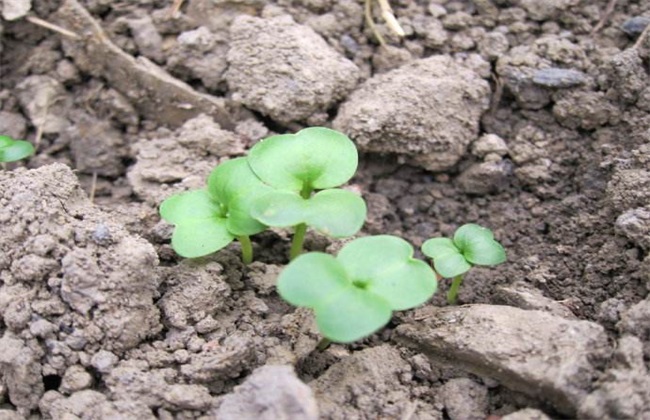
1. Fertilizer and water management during the germination stage
Water is an indispensable condition for the germination of cabbage seeds. If Chinese cabbage seeds encounter a high-temperature period after sowing, then in order to improve the germination ability of the seeds, watering should be done well, and it can also lower the soil temperature. However, water should not be too much either. If rainy days occur after sowing, then watering can be reduced or omitted. If water accumulates, it should be drained in time. Before sowing, sufficient base fertilizer should be applied. From after sowing to the stage before germination, no topdressing is needed. If the base fertilizer is insufficient, then a small amount of seed fertilizer can be appropriately applied as topdressing.
2. Fertilizer and water management during the seedling stage
The growth amount of cabbage seedlings during the seedling stage is relatively small, so the demand for water and fertilizer is relatively low. However, the roots of Chinese cabbage seedlings are not very developed, and their ability to absorb water and fertilizer is not strong. Therefore, we still need to provide sufficient water and nutrients to the seedlings according to changes in climate and weather. Control the amount of watering according to changes in soil and weather as well as soil moisture conditions. Then, along with watering, appropriately apply seedling-promoting fertilizer as topdressing, and control the amount. For some weak seedlings, some chemical fertilizer should also be appropriately applied as topdressing. Chemical fertilizer should mainly be applied by digging trenches and burying it, and it should be kept about 5cm away from the roots to avoid burning the roots. After each topdressing, watering should be done appropriately.
3. Fertilizer and water management during the rosette stage
After cabbage enters the rosette stage, the roots will develop in large numbers, and the growth rate of the leaves will increase sharply. This is also the key period for Chinese cabbage to form large heads, so the demand for water and fertilizer will increase greatly. However, under normal planting conditions, this is also a period of high incidence of downy mildew in Chinese cabbage. The occurrence of downy mildew has requirements for temperature and humidity, so although we cannot control the temperature in open fields, we can address it through humidity.
Therefore, during the rosette stage, the amount of watering should be appropriately reduced, and the soil should just be kept alternately dry and moist. However, in the middle of the rosette stage, a heavy watering can be given appropriately, followed by one deep intertillage. This intertillage is the last intertillage in the entire growth period of Chinese cabbage. Then control the amount of watering well to promote seedling squatting of cabbage for about half a month. Topdressing during the rosette stage is mainly ammonium sulfate, applied at about 15-20kg per mu. About 1000kg of farmyard manure per mu can also be applied as topdressing. When topdressing, it is best to bury it, and try not to apply it on the surface, so as to improve fertilizer efficiency.
The above is a brief introduction to fertilizer and water management techniques for Chinese cabbage. Fertilizer and water management methods should be reasonably adjusted according to the growth stages of Chinese cabbage to ensure normal growth. That is all for today's introduction. This article is for reference only, and I hope it can help everyone!