Reasons for Few or No Tubers in Potatoes and Preventive Measures
Potato is a common vegetable grown in many regions. During cultivation, flowering generally means the plant has entered the reproductive growth stage, which is also the tuber-setting stage. However, many growers find that potatoes only grow vines without setting tubers, or set very few tubers. What causes this? How can it be prevented? Let's take a look.
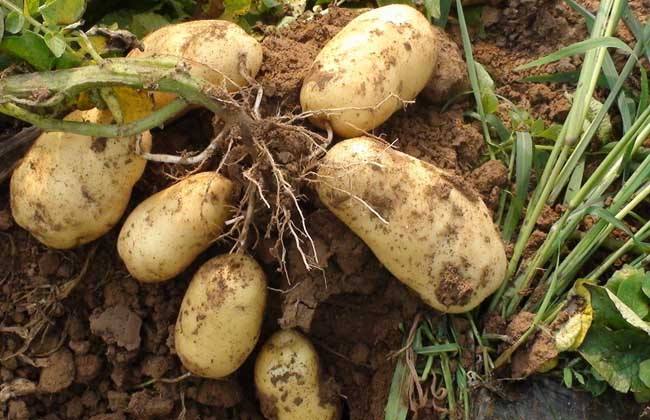
I. Reasons for No Tubers or Few Tubers in Potatoes
1. Too high temperature
The suitable temperature for potato tuber formation is 19-22°C during the day and 13-15°C at night. When the temperature is above 25°C, tubers stop growing, but stems and leaves grow vigorously. Therefore, when potatoes are sown late or suddenly encounter high temperatures, few or no tubers will form.
2. Sowing too late
Potatoes can be grown in all seasons, generally in spring, autumn and winter. If high temperatures occur during the tuber formation period, it means sowing was too late, and the crop is likely to encounter the rainy season and high temperatures, which is unfavorable for tuber setting.
3. Variety
Different potato varieties have different sensitivities to light and temperature. The suitable growing period for potatoes in spring and autumn is relatively short, so when mid-to-late maturing varieties are planted at these times, no tubers will form.
4. Improper cultivation management
For example, sowing too densely or applying too much nitrogen fertilizer while lacking phosphorus and potassium fertilizer will cause the seedlings to grow excessively, resulting in poor air permeability, which is very unfavorable for tuber formation.
5. Drought
Potatoes are relatively sensitive to water. The soil should be kept moist during tuber formation and growth. If the soil is too dry, tubers are difficult to form, so irrigation should be done in time when drought occurs during the tuber formation and growth periods.
6. Sowing too shallow
The sowing depth for potatoes is generally 15-20 cm. Sowing too shallow leads to higher soil temperature and can easily cause stolons to root at random. Therefore, hilling should be done at the right time during potato growth. If hilling is too shallow, soil temperature fluctuates greatly and the insulation effect is small, which will affect tuber formation and expansion.
II. Preventive Measures
1. Variety selection
Focus on selecting varieties with high yield and high individual tuber weight, and also consider the local climate and soil conditions.
2. Sow appropriately early
Winter potatoes are best planted from December to January; planting too early or too late is unfavorable for their market timing. Spring potatoes are best grown with plastic film mulching and sown from January to February.
3. Cultivation management
Reasonable sowing density and depth are recommended: no more than 4,000 plants per mu, with sowing depth controlled at around 15-20 cm. Pay attention to increasing the application of organic fertilizer and magnesium fertilizer, and apply little or no nitrogen fertilizer in the mid-to-late period to avoid excessive plant growth that affects tuber growth.
4. Reasonable watering
During the potato growing period, keep the soil moisture at a suitable level. When low humidity is found, irrigate immediately, using small amounts of water frequently. Drain promptly in rainy weather.
The above is an introduction to the reasons for few or no tubers in potatoes and preventive measures. We hope it helps you. For more related knowledge, please stay tuned to us.