How to Grow Tomatoes in a Greenhouse? A Detailed Guide to Cultivation Techniques
The tomato is the common red tomato we eat in daily life, and market demand for it in China is very high. Tomatoes can be eaten raw and can also be stir-fried with other dishes to enhance their flavor, and their nutritional value is considerable. There are many cultivation methods for tomatoes today, and greenhouse cultivation is one of the common ones. So how should tomatoes be grown in a greenhouse? Below, the editor brings you the cultivation techniques for greenhouse tomatoes. Let's take a look!
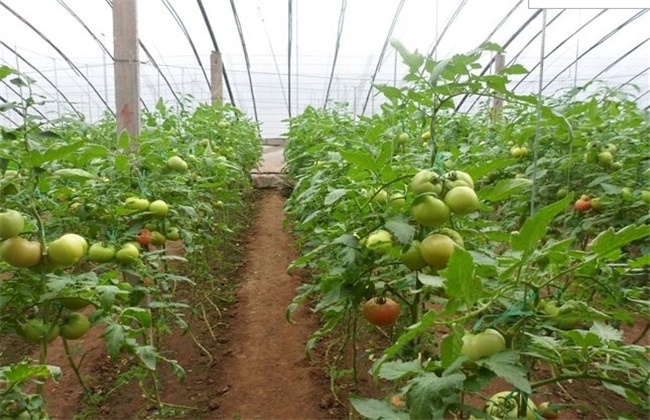
1. Greenhouse Construction
When growing tomatoes in a greenhouse, the first step is to do a good job of building the greenhouse. When building a tomato greenhouse, the first things to consider are the water source and the location. There must be an abundant and clean water source around the greenhouse, ensuring that the tomatoes have sufficient irrigation water during growth and meeting the tomato's water requirements. Then, when establishing the greenhouse, the terrain should be flat ground, and the length and width should be controlled according to the actual situation. Generally, the width of the greenhouse should be kept at about 5 m. For management and greenhouse ventilation, doors should be left at both ends of the greenhouse.
2. Seed Treatment
Before sowing, first do a good job of sun-drying the seeds, generally for about two days. The main purpose of sun-drying is to kill the pathogens on the outer layer of the seeds, thereby increasing the germination rate. Then soak the seeds in solutions such as potassium permanganate or carbendazim for about half an hour. After soaking, place the seeds at a temperature of about 28 degrees for germination. Then select seedling trays, nutrients, nutrient pools and other seedling equipment. Disinfect the equipment, and the soil must also be disinfected thoroughly to ensure that the tomato seeds can germinate normally. Then apply sufficient base fertilizer, mainly farmyard manure, combined with an appropriate amount of compound fertilizer, and sow at the right time.
3. Seedling Management
After sowing, management work must be done well. First, pay attention to temperature management. The greenhouse temperature during the day should be kept at about 30 degrees, and the temperature at night should be kept at about 15 degrees. This temperature range is the most suitable for the growth of tomato seedlings. Then the greenhouse should maintain a certain airflow and air humidity, and the air humidity should not be too high; keeping it at about 40% is sufficient. When the seedlings grow to 4 leaves, fertilization should begin, but because the seedlings are relatively fragile at this time, be careful to control the amount of fertilizer. When they grow about 8 leaves, they can begin to be transplanted and planted.
4. Daily Management
After planting, the growth rate of tomatoes will accelerate somewhat, and at this time tomatoes have relatively high requirements for temperature and humidity. Therefore, be sure to control temperature and humidity well, especially temperature, which should not be too low, to prevent the seedlings from suffering cold damage. In the early stage of seedling growth, the demand for water is not very large, so watering should not be excessive. Otherwise, it will have a relatively large impact on plant growth, while in the middle and late stages of growth, the tomato's water demand will increase. Water appropriately every day, reduce the amount of watering appropriately during the rainy season, and do a good job of drainage. In addition, we must also do good work in pest and disease control, plant pruning and fruit management.
The above is a brief introduction to greenhouse tomato cultivation techniques. That is all for today's introduction. This article is for reference only, and I hope it can be helpful to everyone.