How to achieve high yield in pumpkin cultivation? Sharing practical methods
Pumpkin is a common vegetable. It can be used in cooking, and it is also difficult to cook into porridge or process into other agricultural by-products. Its cultivation benefits are relatively high. So do you know how pumpkin cultivation can achieve high yield? Come and learn about it with the editor.
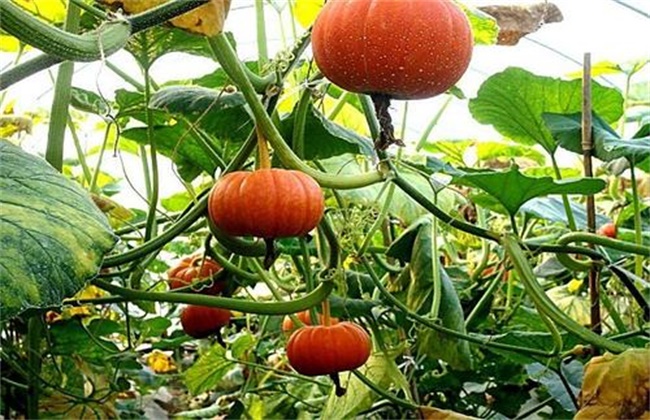
1. Trellising and pinching
When the pumpkin vines grow to about 3 m, you need to start guiding the vines onto the trellis. Pumpkins are relatively heavy, and the vines alone cannot support them, so a trellis must be set up to bear the weight of the pumpkins. This can also reduce pests and diseases, increase the fruit-setting rate, and prevent the pumpkins from rotting during growth. When the vines grow to about 2 m, pinching is needed at this time, so that the main vine grows branch vines, promotes the vines to flower and bear fruit, and increases yield.
2. Prevent excessive vegetative growth
Excessive vegetative growth of pumpkin vines will reduce the number of fruits set, so it is necessary to prevent excessive vine growth. Here, you need to appropriately control nitrogen fertilizer application and increase phosphorus and potassium fertilizer. You can also make a small cut in the middle of the vine with a knife 30 cm from the root of the vine, then insert a small piece of charcoal into the small cut. This can block the transport of nutrients and water. The top branches and leaves cannot grow without nutrients, and the excessive growth of the vine can be controlled.
3. Spraying on the top and drenching at the bottom
Pumpkins are relatively large, so topdressing must be done well during the fruiting period to improve yield and quality. During the fruiting period, spray foliar fertilizer once every 10 days, using the stomata of the leaves to dilute the fertilizer. When spraying, spray on the back of the leaves, not on the pumpkins, as this will make the pumpkins rot and thus affect yield. When spraying foliar fertilizer, you can also drench the roots with organic water-soluble fertilizer. This is more effective than the previous traditional fertilization method. This water-soluble fertilizer does not damage the roots, takes effect quickly, and is more easily absorbed by crops.
4. Assisted pollination
Assisted pollination can significantly increase the fruit-setting rate. When the female flowers are open and can be pollinated, cover them with pumpkin leaves. Then between eight and nine o'clock the next morning, pick male flowers from different plants and cover the female flowers with them. After 2 days, they can be removed. In addition, for vines that have flowered and borne fruit, if there are yellow leaves, remove them promptly as soon as you see them, to reduce nutrient consumption and let the pumpkins set more fruits.
The above is an introduction to how pumpkin cultivation should achieve high yield. I hope it can help you. If you want to learn more related knowledge, please stay tuned to us.