When to Plant Water Chestnuts? Detailed Guide to Planting Methods and Timing
The water chestnut is the underground fruit of the herbaceous plant water chestnut, which has certain utility value. It is grown in southern regions, with cultivation concentrated mainly in the Yangtze River basin. The water chestnut also has certain medicinal value. Planting water chestnuts must be done in water. The timing and methods of planting water chestnuts are key points regarding water chestnuts, so let's take a look together now.
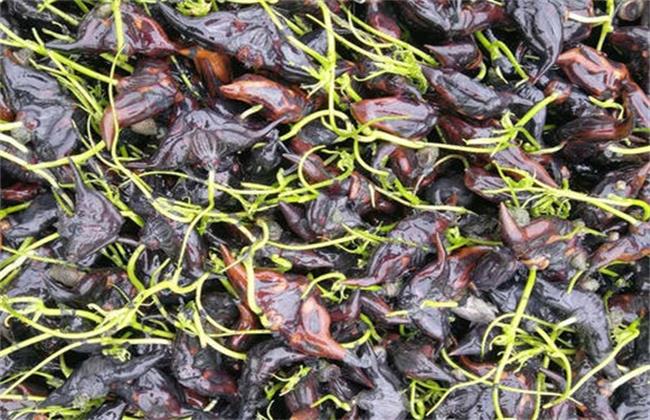
1. Planting Time
Planting is generally carried out around Qingming, but the specific time depends on when the water temperature stabilizes above 12°C. The weather differs from year to year; sometimes the temperature reaches the threshold before Qingming, but sometimes it is still very low. However, some varieties are early-maturing varieties and do not need to be planted so early. But late-maturing varieties can be cultivated early.
2. Seed Selection and Planting
Select high-quality varieties, choosing early, mid-season and late varieties for cultivation, which allows for staggered harvesting on the market and also allows seed to be kept. For direct seeding, plant in ponds and pools, keeping the water depth at 3 cm, planting water chestnuts that have already sprouted, and sow them evenly by broadcasting. Before sowing, clean the pond thoroughly. Generally, 20 jin of water chestnuts are planted per mu. Deeper water can be used for raising seedlings before planting. For seedling raising, 120 jin of seed are used per mu, which can be transplanted to 5 mu of water surface; seedlings are raised twice for transplantation.
3. Cultivation Management
Apply 4,000 jin of livestock manure per mu as base fertilizer. After germination, apply 10 jin of urea per mu as topdressing, and after flowering, spray 2% potassium dihydrogen phosphate several times. To prevent aphids, spray with 800 times dilution of 90% trichlorfon crystals. Spray once every week or so. The main disease is water chestnut blast, for which 400 g of 5% jinggangmycin is mixed with 50 kg of water for spraying. Remove weeds and some aquatic plants at any time.
4. Environmental Requirements
Plant in moist mud in temperate zones, suitable for ponds, swamps and fields converted from diverted river channels. It likes a warm environment and is not suitable for planting in cool environments. The most suitable growing temperature is 25°C to 36°C; generally in summer the water temperature is a bit lower. For planting water depth, it is 3 cm at sowing, gradually increasing after emergence, and maintained at around 0.6 m once fully grown.
The timing, specific methods and management details of water chestnut planting have all been introduced above. I hope they can be put to use and be of some help to everyone. You may use them for reference.