What are the reasons for the low germination rate of celery seeds
When sowing celery seeds, sometimes there are also problems with incomplete germination, uneven germination, and difficulty germinating. When encountering such problems, generally you should first look for the problem in the seeds, and second, find the problem in the seed processing process. As well as whether the seed treatment was done properly. Then there is whether the provided environment is suitable. Let's take a look at the reasons right away.
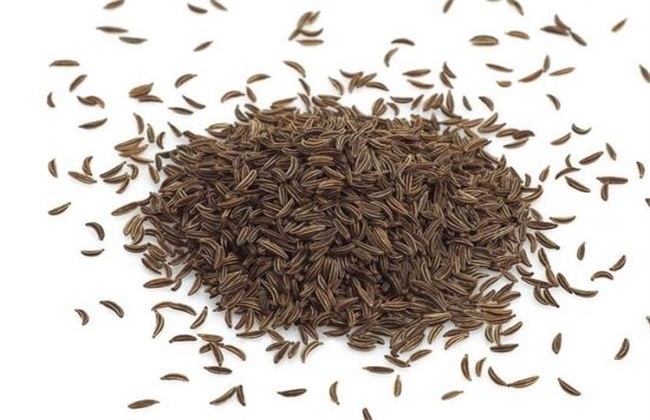
1. Seed problems
It may be that the seeds themselves are not mature enough, were harvested too early, or the seed collection time was affected by the weather. When heavy rain affects them, the seeds are not mature enough. Different flower branches bloom at different times, and the seeds mature at different times, so after harvesting, the seeds from late-blooming flowers are not mature enough. In early spring with more rain, the seeds mature a bit later.
2. Improper processing
After harvesting, the seeds are not dried in time, or are not dried to the standard dryness level. When seeds are piled up and not ventilated, the seed moisture cannot dissipate, respiration does not stop, and aerobic respiration begins, so the seed vitality weakens. If stored for too long, they become even weaker. If dried too much, the seeds are damaged and it is very difficult for them to germinate.
3. Being dormant
If the seed dormancy has not been successfully broken, the seed is in a dormant state and will not germinate. It must pass through dormancy. Or the dormancy must be broken artificially for it to germinate. Dormant seeds rarely germinate. If they may not germinate, growth regulators can be used to break dormancy, or low temperature can be used to break dormancy. This is done in the refrigerator.
4. Insufficient conditions
Sufficient moisture, suitable temperature, sufficient oxygen, and good light are needed for germination. A good soil environment and growing medium must also be provided. Seed germination requires a temperature above 15 degrees, preferably around 20 degrees. Below 15 degrees, germination is very slow. At 30 degrees, they cannot germinate. When the temperature is high, water also evaporates faster; if the soil covering is too thick, oxygen and light are insufficient.
Generally, when seeds cannot sprout, it is all due to these reasons, not only celery, but other vegetable seeds as well. When sowing, pay attention to these effects, and the preparatory work for seed collection must also be done well.