Why do tomato plants need leaf pruning? These benefits you should know
One of the tasks in tomato cultivation and management is leaf pruning. Why prune leaves, will pruning affect growth, and what benefits does pruning bring to plant growth? What principles govern leaf pruning, and how should you prune leaves to benefit growth? Let's learn the correct leaf pruning method together.
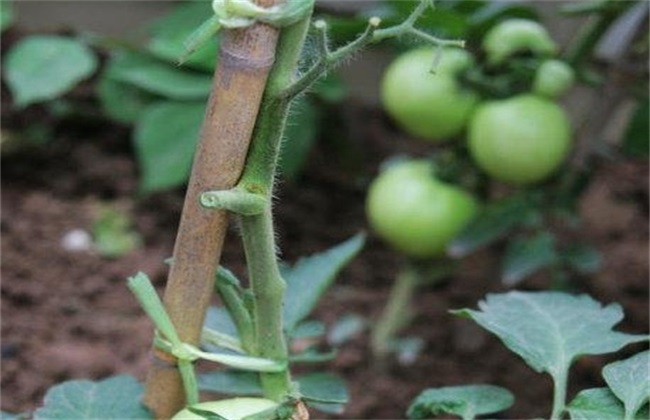
1. Leaf pruning methods
The first leaf pruning is done when the second truss is setting fruit, removing all the old leaves. Leave one functional leaf below the first truss, then remove all the other leaves. The second leaf pruning is done when the fourth to fifth truss is setting fruit, and some leaves should be removed. Specifically, remove most of the leaves below the third truss, leaving the petioles and small leaflets to avoid [shock] and help healing. After the plant is topped, carry out the third leaf pruning, removing most of the leaves between the third and fifth trusses.
2. Benefits of leaf pruning
The first leaf pruning is for ventilation and light penetration, increasing air circulation, avoiding high humidity, and reducing the occurrence of diseases, so that when spraying, the spray is easily applied thoroughly and distributed evenly, increasing the control effect. The second leaf pruning is to help the flowers develop better and ensure nutrition, which requires sacrificing some leaves. The third leaf pruning is for photosynthesis, increasing the production of organic matter, mainly for light penetration.
3. Reasonable leaf pruning
Old leaves consume more than they produce, and leaves that have grown for two months need to be removed. Leaves infected with disease have a risk of contagion and no photosynthetic capacity. They should be removed. Leaf pruning must not be too severe; leaves that can adequately provide photosynthetic products must be kept. Removing too many can easily cause premature root aging. To avoid infection at the pruning wounds, some fungicide can be sprayed. Prune leaves on a sunny day, and the wounds should be small; it is best to do it at noon, when the temperature is high and bleeding is reduced.
4. Precautions
Note that when tomato fruits turn from green to white, the leaves near the fruit must not be removed, otherwise growth will be restricted, reproductive growth will be suppressed, and fruit development will be affected. Yield will decline. Healthy dark green leaves should not be removed at will. As long as leaves with some yellow spots can still photosynthesize, do not remove them. Do not remove too many leaves; removing the two layers of leaves at the base is about right.
Pruning tomato leaves has many benefits, but leaf pruning has its rules, and you cannot prune at will. Only diseased leaves and dead leaves can be removed without concern.