How to transplant autumn-crop tomatoes? Keep these precautions in mind
Tomatoes are one of people's favorite vegetables. With the development of growing techniques, the area planted with tomatoes is becoming larger and larger, and the technical requirements for growing them are also getting higher and higher. August to September is the transplanting period for autumn-crop tomatoes. So what precautions are there for transplanting autumn-crop tomatoes? Let's take a look with the editor.
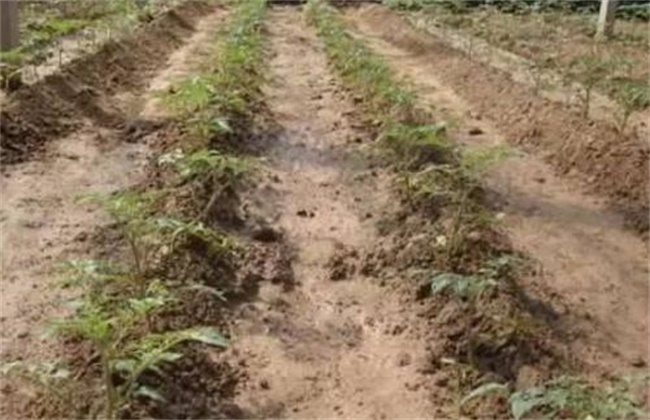
1. Before transplanting
Before transplanting autumn-crop tomatoes, do a good job of disinfecting the greenhouse, apply base fertilizer reasonably, and after the previous crop is harvested, clean up the field in time and disinfect the greenhouse. If time and conditions permit, methods such as high-temperature greenhouse sealing and methyl bromide fumigation can be used to disinfect the greenhouse; if time is tight, the soil can be disinfected together with land preparation and fertilization. Base fertilizer must be fully decomposed before application. If there is no time, the rapid decomposition method with active bacteria can be used: mix the organic fertilizer fermentation bacteria with water and spray it evenly on the farmyard manure. This not only allows the farmyard manure to decompose, but also helps deodorize it.
2. At transplanting
The transplanting period for autumn-crop tomatoes falls in the hot, rainy season, which is also a period when soil-borne diseases such as stem base rot, Phytophthora root rot, and bacterial wilt occur more severely. Therefore, when transplanting, be sure to pay attention to the prevention of pests and diseases, following the principle of prevention first and combining prevention with control. When transplanting, carbendazim and similar agents can be applied into the planting holes for prevention, and for root-knot nematodes, agents such as fuqiduo can be applied into the holes for prevention.
3. After transplanting
After transplanting, use the two-nets-and-one-film covering cultivation method to prevent high temperatures, pests, and rainwater. Shade nets should be used reasonably and should not be left in place too long, so as to avoid excessive vegetative growth of tomatoes caused by insufficient light. Shade nets are generally used from 10 a.m. to 3 p.m. Ventilation is an extremely critical step in the hot season, so when using insect-proof nets, be sure to note that they are only suitable for the ventilation openings at the front of the greenhouse. In addition, strictly prevent rainwater from flooding the greenhouse and causing tomato root rot and dead plants. Therefore, when the greenhouse is flooded, irrigate promptly with well water, that is, watering the garden after waterlogging, to reduce the harm after rainwater floods the greenhouse, and hoe the soil at the right time to enhance soil air permeability and promote root growth.
The above is an introduction to the precautions for transplanting autumn-crop tomatoes. I hope it can help you. To learn more related knowledge, please follow us.