What to Do About Corn Lodging? A Detailed Guide to Scientific Remedial Methods
Corn is a tall-stalked crop. Although its roots go fairly deep, even a slight external force can cause corn to lodge. Once lodged, it is generally very difficult to prop back up, and it directly affects yield. Therefore, lodging must be avoided, and once it occurs, timely and correct action is needed to salvage as much of the loss as possible. Let's take a look below at the causes of lodging and methods for prevention and improvement.
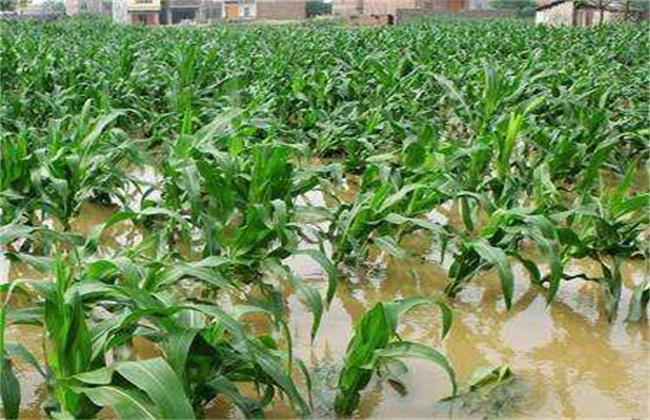
1. Lodging from Flooding
Lodging caused by floods is nothing unusual. Some fields nestled between valleys, in low-lying areas, or close to rivers are easily washed flat when summer floods rise. This is generally because the soil around the root zone is soaked and washed by water, causing the entire plant to topple, with the roots turned out of the soil. In such cases, you can lift the plants up in the direction opposite to how they fell, then re-mound soil around them. After draining the water in time, loosen the soil again to let moisture escape as quickly as possible, but you must lift the plants up on the same day they were washed down.
2. Impact of Strong Winds
If the lodging is caused by extreme weather, such as a windy day, it is usually the stalk that goes down, meaning the roots and the base of the stalk are not broken; only the upper part of the stalk is deformed and cannot right itself for the time being. In this case, you should be able to prop it up slightly, let the plants support each other, or set up some supports. Growth will resume after a short time. If the stalk has been blown and broken, it generally needs to be pulled out; those that broke after grain filling can be kept.
3. Lodging from Heavy Rain
Because heavy rain presses down on the plants and washes away the surface soil, plants that are top-heavy easily bend at the stalk, but they generally do not lodge from the roots. As long as you shake off the rainwater so the plants float back up and mound some soil around their base, they will recover once the weather clears in a few days. Shake off the water early, going out as soon as the rain stops; otherwise, if the water sits for too long, the situation worsens. Use a bamboo pole to gently shake off the water without damaging the leaves.
4. Strengthen Management
After handling the lodging, you need to apply a topdressing of phosphorus and potassium fertilizer to help growth recover. In addition, lodging makes plants prone to disease, so pay attention to preventing and controlling northern corn leaf blight and southern corn leaf blight by spraying a 500-fold solution of 50% carbendazim. Use it once a week, and after several consecutive applications, check the results. Corn borers bore into stalks and easily cause the stalks to break and lodge, so focus on controlling them.
Corn commonly lodges, and the causes may differ, but in every case the result requires improvement and rescue efforts. Sometimes strengthening growth in advance is also the best prevention.