How to harvest and store sweet potatoes? A detailed guide to the correct methods
Sweet potatoes planted in spring can be harvested before long. Harvesting sweet potatoes requires digging them out of the ground, so there are some issues to pay attention to. After harvesting, if the quantity is small, they can be stored short-term in a dry place as animal feed, but if you want to keep them for seed, you need to store them through the winter. Let's take a look at how they should generally be stored.
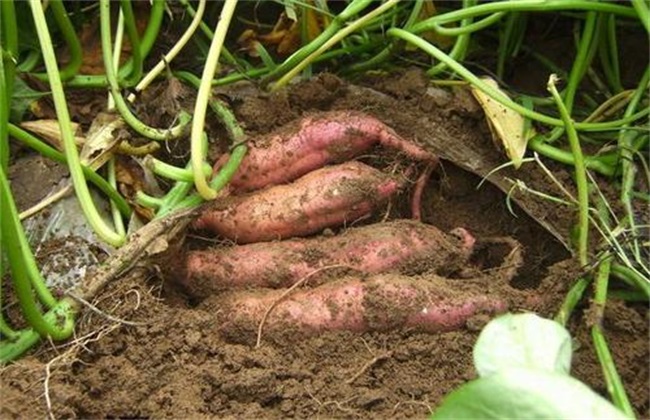
1. Harvesting methods
When digging sweet potatoes, you must not cause wounds or dig injuries. Nor can the fine roots at the tail end be broken, as neither is acceptable; the sweet potato will immediately ooze juice, making it prone to rot. It will not keep well. Dug sweet potatoes must not be washed before storage, as they will spoil easily. For short-term placement, the location should be a dry, ventilated place. When harvesting and transporting, handle them gently, and do not bump or bruise them into wounds. Fully mature sweet potatoes should not be left in the ground all the time, as they rot easily.
2. Sorting and treatment
For storage, select large, good sweet potatoes as seed potatoes, and remove any with broken skin, dig injuries, bruises, insect damage, or that are already somewhat rotten. Then spray with a certain concentration of carbendazim solution to sterilize, or soak the sweet potatoes in a 1000-fold carbendazim solution, soaking them one by one, then take them out and let them dry before storing. This way they carry no bacteria and do not rot easily.
3. Cellar storage
In the south, cellars are built to store sweet potatoes. In a cool, dry place, a cellar is dug, half of which is fully underground, with entry and exit directly through an opening in the ground. Open the opening, let it air for a few days, then go in to clean up; when going down, avoid oxygen deficiency. After cleaning thoroughly, spray carbendazim, then put the sweet potatoes in, laying them flat rather than overlapping.
4. Points to note
Generally, after a period of time you can go down to check. Fully underground cellars are prone to oxygen deficiency, so before going down, take a good candle to test; if the flame goes out, there is no oxygen. Do not go down rashly. There is also a cave-type storage room. But it needs to be dug in a place with plenty of sand, and in a place with somewhat higher terrain. Generally there is no oxygen deficiency. But small animals can easily get in, so you need to pay attention.
When digging sweet potatoes, be careful with the soil, let the sweet potatoes appear and take them out directly, and do not cause wounds. After storage treatment they keep better, and when using a cellar, pay attention to safety.