What causes head lettuce to fail to form heads
Head lettuce, unlike the loose-leaf type, forms a head and wraps its heart as it grows. It is also very popular in the market, but during cultivation it is sometimes found not to wrap its heart. This directly affects its market quality. So today we will discuss the reasons why head lettuce does not form heads, and how to solve this problem.
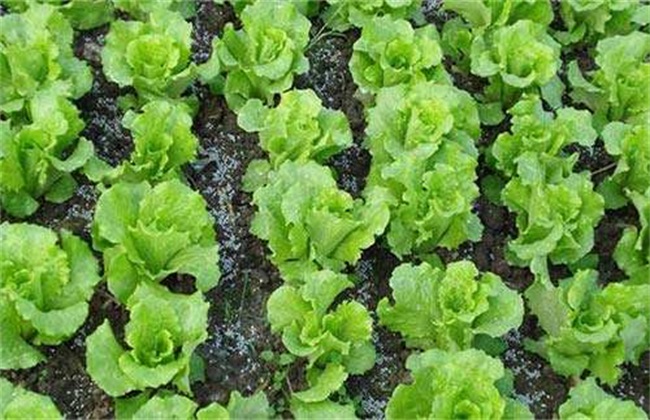
1. Causes
It may be due to the variety; choose a cultivar according to local environmental conditions, for example, if the head-forming period locally falls in a high-temperature stage, you can choose a variety with better heat tolerance. Single-nutrient fertilization causes failure to form heads: excessive nitrogen fertilizer, lack of phosphorus and potassium fertilizer, or lack of trace-element fertilizer. Temperature too high: the temperature for growth and head formation cannot exceed 25 degrees, which easily causes damage. The head-forming period needs a large amount of water, so insufficient watering is also a cause. Pests and diseases also have an influence, and are generally easy to spot.
2. Fertilization
For one mu of lettuce, use about three thousand jin of decomposed organic fertilizer and one hundred jin of compound fertilizer; these are the base fertilizer, or bottom fertilizer. For top dressing, about two to three weeks after transplanting and after the seedlings have recovered, apply another forty jin of compound fertilizer. One month after transplanting, apply another thirty jin or twenty jin of compound fertilizer. After that, no fertilizer is needed.
3. Temperature and humidity
Lettuce likes a cool climate, so planting in spring or autumn is better. If planting in late spring, do not let the head-forming period fall in summer; it cannot be planted in midsummer, otherwise head formation easily fails, and it easily rots when it rains. Usually keep moisture balanced, keep it moist, and maintain 65% humidity. During the proper head-forming period, you can water more. After the head has formed, water must be controlled; too much water easily causes rot.
4. Pest and disease control
Planting in protected areas is more prone to disease, but open-field disease is also unclear; common diseases affecting head formation are soft rot, viral disease, and tipburn. The insect pests affecting head formation are aphids and whiteflies. Disinfect seeds and soil, and sun the ground. When disease is found, spray promptly to control its spread. Use relevant agents for control. You can also cover with silver-gray film to repel them.
Head lettuce is a lettuce variety with relatively good economic returns; the failure to form heads during cultivation is affected by multiple causes, so judge carefully before deciding on countermeasures.