Detailed Explanation of Post-Autumn Management Methods and Technical Points for Chives
After the Start of Autumn, autumn truly begins, temperatures start to drop somewhat, the weather is relatively pleasant, and the temperature difference between day and night begins to widen. This is actually beneficial for the growth of chives, but many issues also need attention, such as adapting to temperature changes. There are also some other management issues. How to manage chive growth well after autumn is the content we will introduce today.
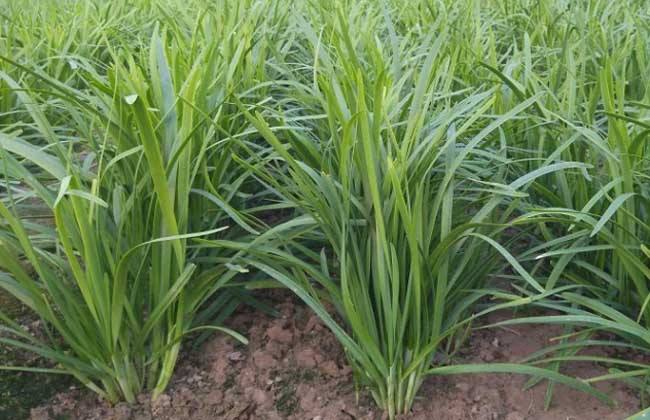
1. Fertilizer and Water Management
At this time the vegetables grow rapidly and need a large amount of nutrients, so topdressing is needed. Apply about 100 jin of compost per mu, about 1500 jin of farmyard manure, and 50 jin of compound fertilizer. Use them together, and water to maintain normal soil solution concentration. Do not water during the Cold Dew period, mainly to accumulate nutrients. At the Start of Winter, the withered chives need to be cut off, and 40 jin of urea per mu should be used together with watering.
2. Darkening Treatment ⟧7⟧At the Start of Winter, remove all dead leaves and weeds. After watering and fertilizing, darkening treatment is needed. Build a small arch shed; in addition to plastic film, also cover it with straw curtains, then uncover the straw curtains at 9 o'clock every day and cover them again at 2 o'clock in the afternoon. Reduce the light exposure time every day, requiring only about five hours of light. After a week, when sprouts appear, the film can be removed and soil can be earthed up; when they grow to several tens of centimeters, they can be harvested.
At the Start of Winter, remove all the dead leaves and weeds. After watering and fertilizing, the plants need to be darkened. Build a small arched tunnel; in addition to the plastic film, also cover it with straw mats, then uncover the straw mats at 9 o'clock every day and cover them again at 2 in the afternoon. Reduce the light exposure time each day, to roughly only five hours of light. After a week, once the plants have sprouted, the film can be removed and soil earthed up around them; when they have grown to several tens of cm, they can be cut and harvested.
3. Growth Control and Dormancy Induction
After Cold Dew, do not water or apply topdressing, accumulate nutrients, and control growth. After Frost's Descent, set up a windbreak on the south side in front, tilted toward the north, with a coverage height of more than one meter. This is mainly to lower the temperature, then promote chives to enter dormancy, and it is also a measure to reduce nutrient consumption. After covering in winter, tilt the windbreak somewhat toward the south and begin heat preservation.
4. Disease and Pest Control
The main disease to prevent is root rot. After high temperatures followed by rain, water-soaked diseased areas easily appear at the base of the stem, and they will slowly wither and die. Use a 500-fold solution of 50% metalaxyl-copper wettable powder to drench the roots for treatment; spraying for treatment is less effective. In autumn, the main pest to control is the stem borer, which mainly bores into and feeds on the false stem. Use pyrethroid drugs and spray once a week, or treat with other drugs.
After autumn, chives mainly require some special management according to their growth, such as darkening, control, and dormancy induction. All are for nutrient accumulation and management of growth conditions.