How to Hand-Pollinate Corn? A Detailed Guide to Practical Methods
As a major food crop in China, corn is consumed in very large quantities every year. It also occupies a large planting area. When growing corn, if you rely on self-pollination, the kernel set rate is generally not ideal. So hand pollination is an indispensable technique in corn cultivation. So how should corn be hand-pollinated? Below, the editor brings you the methods for hand-pollinating corn. Let's take a look!
1. Pollination Period
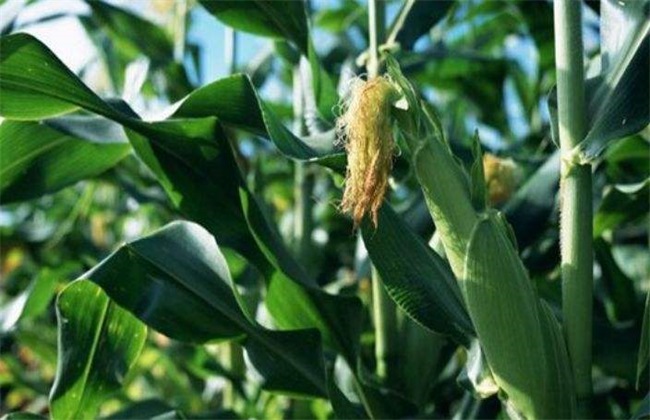
When hand-pollinating, we first need to determine the main period for hand-pollinating corn. Usually, this is done when the female ear enters the silking stage. Before hand pollination, we need to prepare a pollen collector and a pollination tube. Both of these can be made from everyday items; for example, newspaper can be made into a pollen collector, and a clean bottle can serve as the pollinator. To improve the pollination rate, during pollination we should promptly cut off the overly long silks on the ear, keeping only about 3 cm. If the husk leaves of the female ear are too long, they should also be cut off promptly to avoid affecting pollination.
2. Pollen Collection
After the preparatory work is done, we begin the pollen collection work. First, we should place the female ear into the pollen collector, then shake it gently so that the pollen falls into the collector; at this point, the pollen has been successfully collected. Control the pollen collection time according to the weather: if it is a sunny day, it should be done around 8-9 a.m. Do not do it too early, because if it is too early, the field humidity is relatively high and the pollen tends to clump. If it is a cloudy or rainy day, then collect pollen after the tassel has dried. After collecting the pollen, use a sieve to remove impurities such as anthers and glumes from the pollen, then transfer it into the pollinator to prepare for pollination.
3. Pollination Method
Then it is time to begin the pollination work. Pollination should also be carried out after the morning dew has dried. Determine the pollination time according to actual conditions, point the pollinator at the ear whose silks have been cut and shake it gently, keeping the distance at about 3 cm. Be careful that the pollen collector does not touch the silks, to avoid pollen clumping from moisture and affecting pollination. For the female ear, we should pollinate about three times, once each at the early, peak and late silking stages, to ensure the success rate of pollination. About 3 days after pollination, if pollination was successful, the silks of the female ear will generally wither; if unsuccessful, they will continue to grow, so we should pay attention to doing supplementary pollination.
4. Precautions
About one week after detasseling, the female ear of corn will begin to silk, and this also lasts about one week. However, pollination should be carried out within 3 days after the corn silks, as the kernel set rate is highest at this time. When pollinating, be careful not to do it too early, to avoid dew. It is also not suitable to pollinate in 35°C weather, as the pollination rate will decrease as a result. Pollination should mainly be done by collecting pollen and pollinating on the spot; do not collect too much pollen at one time, otherwise the pollen is likely to lose viability and the pollination rate will be reduced.
The above is a brief introduction to the methods for hand-pollinating corn. That is all for today's introduction. This article is for reference only, and we hope it can help you!