A Complete Analysis of Calcium Deficiency Symptoms in Tomatoes and Calcium Supplementation Methods
In tomato growth, besides the necessary fertilizers, growth elements cannot be lacking. A deficiency of elements can lead to deficiency diseases, producing different adverse symptoms. For example, calcium deficiency can affect the growth and development of the fruit. The specific manifestations of calcium deficiency, the growth situation, and how to improve it, how to supplement calcium, and how to regulate it, we will continue to introduce below.
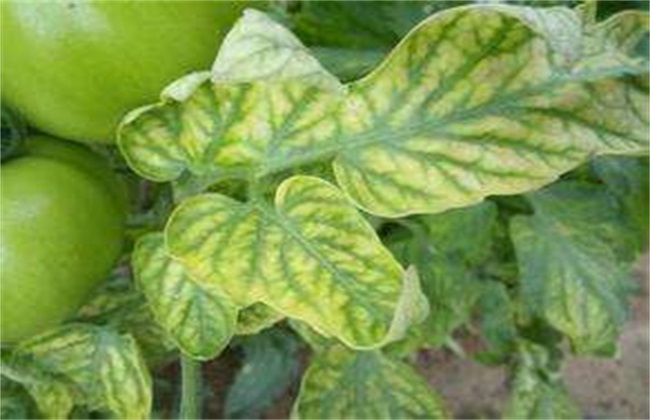
1. Calcium Deficiency Symptoms
After calcium deficiency in tomatoes, the overall plant is relatively short and small, with thin stems and drooping leaves. At first, yellow edges and shriveling appear on the top leaves, and in severe cases, they completely die. Gradually, large yellow-brown spots appear on the middle leaves, and the affected areas later become necrotic. Calcium deficiency during fruit growth can cause fruit cracking and abnormal coloring. There are tea-colored fruits and green-shouldered fruits. These symptoms caused by calcium deficiency are also called blossom-end rot.
2. Causes
It may be that too much nitrogen fertilizer or potassium fertilizer was used, affecting calcium absorption, or soil drought affecting absorption, or the soil solution concentration being too high, so calcium cannot be absorbed and utilized. Rapid water transpiration and low environmental humidity lead to insufficient water, so calcium is poorly absorbed. Or the soil itself is deficient in calcium, such as acidic soil. Plants naturally cannot absorb it. But in some cases it is not absent, but rather fixed.
3. Calcium Supplementation Methods
The time for calcium supplementation is when the fruit is expanding and approaching maturity. Use a 0.3% calcium nitrate solution, 0.2% calcium chloride solution, 600-fold fluid calcium solution, 700-fold chelated calcium solution, 500-fold amino acid calcium solution. There are many corresponding vegetable calcium supplements, and you can choose the suitable one to use. Generally, spray once a week. Spraying for several weeks will have an effect. It can also improve some abnormal fruits.
4. Increasing Calcium Fertilizer Application
After using superphosphate fertilizer, the soil calcium content increases. When used together with biological bacterial fertilizer, the active calcium component increases. Superphosphate is generally used at one to two hundred jin per mu. It can be used as a base fertilizer, and can also be used as a topdressing during the flowering and fruiting period. For planting in acidic soil, lime and gypsum can be added for improvement. Use about one hundred jin of lime per mu. It not only improves acidity, but also increases calcium content.
Calcium deficiency in tomatoes is not a common phenomenon, but it will occur if the soil is deficient in calcium. It mainly relies on fertilization to supplement calcium, mainly applying special water-soluble calcium fertilizer. These effects are faster than fertilization, but fertilization plays a long-term role.