Causes of soybean lodging and control methods
During soybean cultivation, lodging is often observed, but there is more than one cause; there are multiple causes, and the specific ones are described in detail below. After soybeans lodge, what should be done, and are there remedial methods or solutions? How to avoid the losses caused by soybean lodging. So please continue reading below.
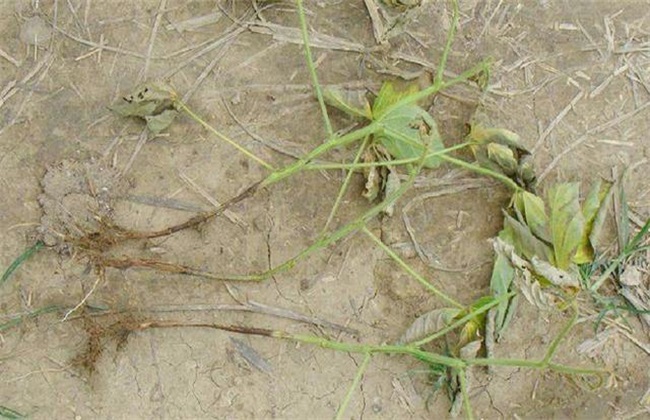
1. Causes of lodging
The common cause is that extreme weather with strong winds and heavy rain directly causes soybean lodging. If the wind and rain last a long time, there is simply no way to deal with it; natural disasters cannot be avoided. However, some cases are due to variety reasons, such as tall-stemmed varieties, which are prone to lodging, and those with slender stems are prone to lodging, while short, sturdy varieties are not prone to lodging. If the soil is too fertile, vigorous plant growth also makes lodging likely. If the planting density is too high, soybean growth does not get enough nutrients, and the plants are instead more prone to lodging.
2. Seed selection and cultivation
For ordinary soil, choose tall-plant varieties; for fertile soil, choose short, sturdy varieties, but generally choose short, sturdy varieties with strong resistance. Those with good adaptability, strong resistance, and strong growth vigor are all very good. Decide the planting quantity according to soil fertility and area: plant more on poor land and less on fertile soil, to prevent lodging.
3. Fertilizer and water control
Apply less nitrogen fertilizer. Soybean roots fix nitrogen, so applying more can easily lead to excess, and vigorous growth then makes lodging likely. Nitrogen fertilizer is only needed at the flowering stage, applying urea. If compound fertilizer is applied as base fertilizer, do not apply nitrogen fertilizer in other topdressings except at the flowering stage. Of course, if there is uniform yellowing of leaves that is not affected by pests or diseases, high temperature, or drought, it may be due to a nutrient deficiency, so apply a moderate amount. Apply more potassium fertilizer and plant ash to strengthen the stems.
4. Growth regulation
To avoid vigorous growth and spindly growth that bring hidden risks of lodging, you can spray growth regulators to control vigorous growth in the early growth stage of the plants, such as chlormequat and paclobutrazol. They can also be sprayed at the flowering stage for control, but if there is no vigorous growth, do not spray at the flowering stage. Spray at an appropriate concentration; the wrong concentration may produce the opposite effect. Do not spray before rain; spray in the evening after the rain has cleared.
The direct cause of soybean lodging is the effect of weather, and the indirect causes are weak and long stems. Some methods can be used to adjust and prevent lodging.