How to effectively prevent and control bald tips in corn
After corn sets kernels, not every one grows well, and sometimes a rather strange phenomenon appears, such as bald tips in corn, which means the top of the corn ear has no kernels and its growth and development are incomplete. What causes this, and what should be done? How can this situation be avoided? Let us take a look at the specific details together.
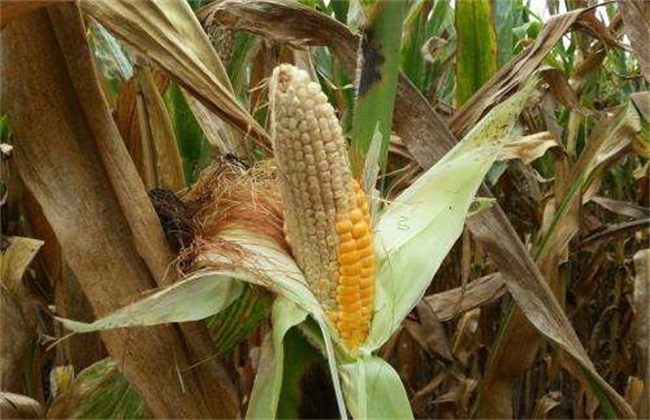
1. Causes
The most basic cause is the variety itself; some varieties are not strongly adapted to adverse environments, and when adverse conditions exceed a certain limit, this situation occurs. Or the soil salt content is high, water accumulates, it is sandy soil, does not retain water, is poor land, and is a bit low in fertility. Generally, one kind of fertilizer is applied in a biased way, or organic fertilizer is lacking. Nutrient deficiency symptoms, poor pollination and fertilization. During the flowering period, high temperatures or cloudy and rainy weather affect pollination. Planting is too dense, light is poor, and nutrition is insufficient. Infection by diseases also has an effect.
2. Cultivation management
Choose flint-type varieties, which have fewer bald tips, while dent-type varieties have severe bald tips. Cultivate in fertile, well-drained, deep, level soil. You can test whether the soil salt content is normal. When planting, determine a suitable density. You can choose wide and narrow row cultivation to improve light. Apply more organic fertilizer and less chemical fertilizer, and you can use formula fertilization, mainly topdressing before and after flowering; after jointing, earth up the soil to strengthen root growth.
3. Water management
After jointing, water must be supplied continuously, and there must be no drought, but do not let water accumulate; during flowering and grain filling, sufficient water is needed. Use nitrogen, phosphorus, and potassium in a balanced way, and spray 0.5% potassium dihydrogen phosphate as a foliar topdressing. When drought occurs, you must irrigate at night, so that the water seeps in almost completely overnight, and the next day it will not scald the roots. If you water in the morning, the sun comes out too early, and before the water has seeped in, the soil temperature begins to rise.
4. Pollination and fertilization
Use a container to collect pollen from male flowers, dip a brush in the pollen, and shake it onto the silks of female flowers; you can also put the pollen into a gauze bag and dab it on the silks. Pollination can be repeated once. Detasseling should also be done; when the female ear emerges, detassel in the morning and evening to facilitate pollination and reduce consumption. Cut the husk leaves and silks; after cutting, those that have been fertilized will no longer grow, while those that have not been fertilized will grow, which helps fertilization.
Bald tips in corn are a common occurrence under natural pollination, but through these methods and measures, we can know how to prevent bald tips.