Why Does Celery Become Hollow? Cause Analysis and Control Measures
During celery cultivation, hollowing is a common physiological disorder. Celery is a solid-stem type variety, but improper cultivation and management can cause hollowing. Hollow celery leads to a decline in quality, and in severe cases it cannot be used, directly affecting economic returns. So what causes hollow celery? How can it be prevented? Let's take a look together.
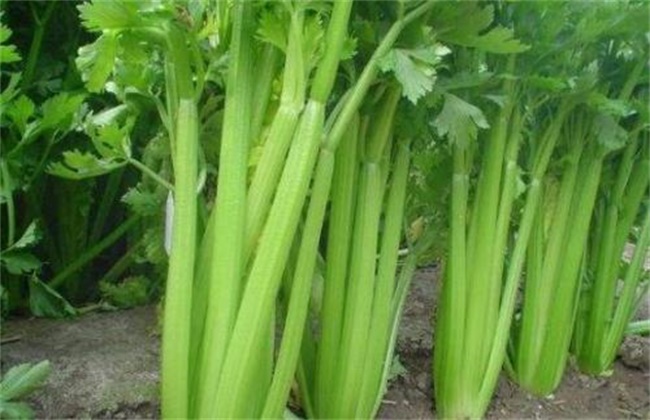
I. Causes of Hollow Celery
1. Excessive growth time, aging leaf stalks
When celery grows for too long, its leaf stalks lose active cells, and as pectin substances decrease, gaps form within the cell membranes, so the large parenchyma cells between the vascular tissues become hollow. Hollowing also gradually develops from the outer leaves to the inner leaves. This physiological aging phenomenon generally occurs when celery is cultivated on sandy soil.
2. Adverse environment
High temperatures, lack of water and lack of fertilizer all cause celery to grow slowly or stop growing, and the leaf stalks are then highly prone to hollowing, especially when fertility is insufficient or fertilizer runs out in the later stage. When cultivated in autumn and winter, too low a temperature can also cause frost damage and hollowing; too high a temperature and overly rapid growth can also cause hollowing.
3. Improper management
During cultivation, excessive gibberellin dosage, too many sprayings, and inadequate fertilizer and water can also lead to hollowing.
II. Preventive Measures
When planting, apply sufficient base fertilizer and spread it evenly. It is recommended to apply about 5000 kg of high-quality decomposed organic fertilizer per mu, and after transplanting and seedling recovery, promptly apply a seedling-promoting fertilizer. Apply 10 kg of urea or fermented human and animal manure per mu along with irrigation water. In the early growth stage, mainly use quick-acting nitrogen fertilizer with an appropriate amount of potassium fertilizer. After topdressing, water promptly, adopting the measures of frequent light watering and frequent fertilizer application. If boron deficiency is found, a 0.3%-0.5% borax solution can be sprayed on the leaves. During the vigorous growth period, keep the soil moist frequently, but do not let it become waterlogged, maintaining soil moisture at about 60%-80%. In summer, pay attention to drainage and waterlogging prevention.
III. Control Measures
Focus on strengthening cultivation management, do a good job in fertilizer and water management, and prevent plant aging. In hot seasons, avoid drought. When cultivating in greenhouses, the temperature should not be too high or too low; when it exceeds 25 degrees, ventilation must be provided promptly, and in winter it should be kept above 5 degrees. When celery has already matured, if you want to delay the harvest, you can first pick and harvest part of the outer leaves, which is an effective measure to prevent aging and hollowing. You can also harvest promptly and store it to extend the supply to the market. When spraying gibberellin, strictly control the concentration, dosage and frequency, and pay attention to combining it with watering and fertilizing.
The above is an introduction to the causes of hollow celery and control measures. We hope it can help you. If you want to learn more related knowledge, please stay tuned to us.