Wheat Seed Selection Methods and Practical Tips Explained in Detail
Wheat is one of the main food crops in our country. After the autumn harvest, it is once again the season for planting wheat each year, and now the time has come to choose wheat varieties. There are many wheat varieties, so how should wheat seed selection be done correctly? Follow the editor and take a look.
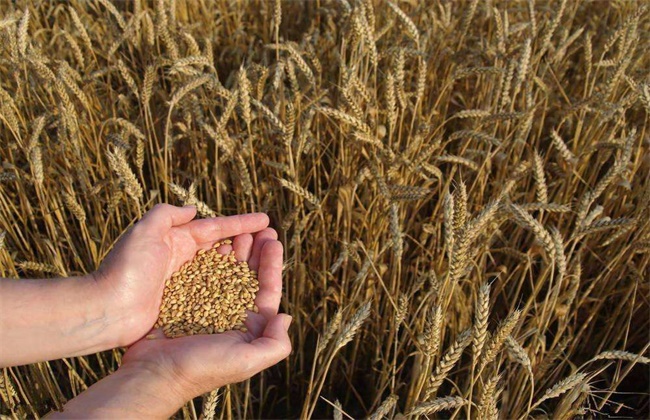
I. Choose varieties according to production conditions
For high-fertility and high-water plots, you should choose multi-ear varieties with strong lodging resistance, short plants, and strong tillering ability, or you can also choose large-ear varieties with medium tillering ability, thick stems, and relatively short plant height. If the plot is dry and poor, then you should choose varieties with good drought resistance, medium tillering ability, and slightly taller plants at the medium-yield level. If sowing is too early, you should choose winter varieties; if sowing is relatively late, you should choose semi-winter, late-sowing, early-maturing varieties.
II. Choose varieties according to yield
1. Cold resistance
Wheat varieties have three different types: spring, semi-winter, and winter. Autumn-sown wheat must have a certain degree of cold resistance, but it is not required that the stronger the cold resistance, the better; it is only necessary to ensure that local autumn-sown wheat can overwinter normally.
2. Disease resistance
Common diseases during wheat growth are rust, powdery mildew, take-all, and so on, so when buying seeds, pay attention to their disease resistance.
3. Early maturity
Early maturity is an important condition for high and stable wheat yields. Early-maturing varieties can avoid or reduce certain natural disasters; for example, during the grain-filling period they can escape dry hot winds and high-temperature damage.
4. Lodging resistance
Only by choosing varieties with strong lodging resistance can yields be further increased and high, stable yields be achieved. Generally, in field production, a plant height of 70-85 cm is appropriate. The lodging resistance of varieties is also divided into several types such as high resistance, medium resistance, and relatively resistant, and selection should be based on your own soil fertility level.
The above is an introduction to wheat seed selection methods and tips. We hope it can help you. To learn more related knowledge, please keep following us.