Why Does Cabbage Rot at the Heart? Cause Analysis and Preventive Measures
Cabbage is a common vegetable, grown in both the south and the north. Because it is delicious, economical and affordable, it is deeply favored by farmers, so its planting area is extensive. However, farmers often encounter the problem of cabbage heart rot. So what causes cabbage heart rot? How should it be prevented and controlled? Let's find out together.
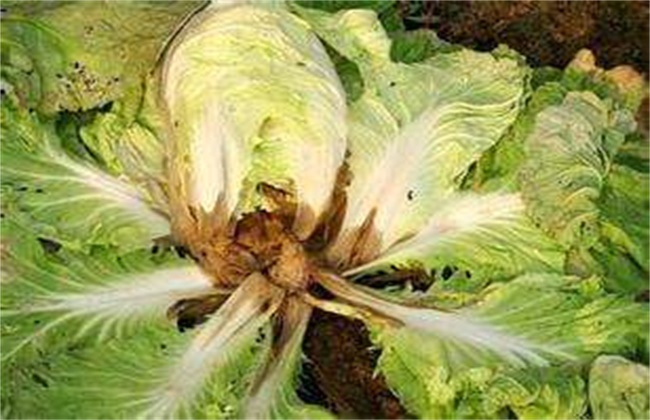
I. Causes of Cabbage Heart Rot
1. Soft rot
Soft rot is a common disease. When the heart leaves of cabbage are bitten by pests, or when pathogens are carried onto the cabbage, the pathogens multiply rapidly under suitable temperatures and gradually spread to the outer layers, causing the plant to rot.
2. Calcium deficiency and tipburn
In appearance, tipburned cabbage is not very different from normal cabbage; it is just that the leaves at the heart have deteriorated and can no longer be used. The main cause of this disease is calcium deficiency. It is a physiological disease caused by the root system being unable to transport enough calcium, and of course tipburn symptoms also appear when manganese is severely deficient. With tipburn, the edges of the heart leaves dry up and curl inward, and the growth of the cabbage is inhibited. The head formation is no different from that of normal cabbage, but the interior is water-soaked, the leaves undergo a mushy rot, and there is a sour, rancid smell.
II. Preventive Measures
1. Choose varieties with strong disease resistance
Choosing varieties with strong disease resistance can prevent cabbage heart rot to a certain extent. Generally speaking, straight-cylinder type Chinese cabbage is much more resistant to heart rot, though its quality may not be as good as that of round, heading type Chinese cabbage, so you can choose according to your own actual situation.
2. Clean up the field
For diseases like soft rot that are caused by pathogens, diseased plants should be pulled up promptly and taken out of the field to be burned or buried deep, which can reduce the sources of spread and infection.
3. Suitable humidity
When field humidity is high, pathogens multiply very easily, leading to an outbreak of disease. Coordinate fertilizer and water management, and avoid the field being excessively dry or moist, especially during head formation, when flood irrigation must be prohibited.
4. Apply more organic fertilizer
Apply more organic fertilizer. When organic fertilizer provides comprehensive nutrition, it can prevent dry tipburn caused by calcium deficiency, and it can also greatly improve calcium deficiency caused by soil salinization in the field.
5. Chemical control
Field pests should be controlled as early as possible, as pests are the vectors of field diseases. When dry tipburn is found, water immediately and spray a mixture of 0.7% calcium oxide and 2000 times naphthaleneacetic acid for control. Generally, spraying 1-3 times per week is enough for improvement.
The above is an introduction to the causes of cabbage heart rot and preventive measures. We hope it can help you. To learn more related knowledge, please stay tuned to us.