Causes and Solutions for Vegetable Wilting After Transplanting
When planting vegetables on a large scale, we often use the method of raising seedlings and then transplanting them, as this ensures a suitable planting density and guarantees the germination and seedling emergence rate. However, when transplanting seedlings, wilting often occurs. This is harmful to seedling growth, and to prevent the seedlings from dying, some improvements must be made. But first, you need to know the causes of wilting. Let's take a look right away!
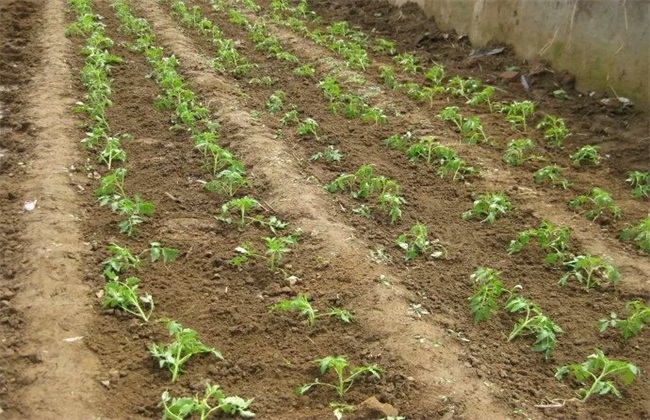
1. Transplanting Preparation
Disinfect the soil before transplanting by spraying the soil with a 500-fold solution of 75% chlorothalonil. Then disinfect the seedlings; the leaves should also be sprayed with some agents for sterilization. Use farmyard manure and do not use chemical fertilizers as base fertilizer. To avoid salt accumulation, deep plowing is needed for planting. The farmyard manure must be fully decomposed and fermented to avoid damage from insect eggs and pathogens, or from fermentation heat in the soil burning the seedlings. Using biological bacterial fertilizer can reduce disease. Plant on raised ridges to maintain good soil structure.
2. Points to Note
What should be noted when transplanting? Choose seedlings of uniform size and from the same batch for planting, and select seedlings free of viruses and pathogens. Plant in the morning or afternoon on a sunny day. The planting depth should be moderate, neither too deep nor too shallow; if too deep, the roots will not grow well, and if too shallow, the roots will not be firmly anchored. However, some vegetables are suited to deep planting and some to the opposite. Loose soil requires deep planting, while heavy clay soil requires shallow planting. When transplanting, the roots can be dipped in a rooting agent.
3. Wilting Symptoms
Wilting of the aboveground plant may be caused by root rot from waterlogging, fertilizer burn, excessive moisture, sudden exposure of seedlings, or disease. If the fertilizer is not fully decomposed, it will burn the seedlings. When watering is excessive or the soil is compacted, and the transplant has just been done, the roots are weak and prone to waterlogging-induced root rot. Moisture dissipates quickly; sudden exposure of seedlings is generally caused by a sudden clearing after long overcast weather, with temperature rising too fast, leading to wilting. Some soil-borne diseases may also occur, such as Fusarium wilt, root rot, and bacterial wilt.
4. Improvement Methods
Use fully decomposed farmyard manure and plant on raised ridges. After transplanting, the first few waterings should be applied at the middle height of the ridges. After water accumulates, dig ditches to drain it and do not water for a short period. Set up shade netting and let the plants gradually receive light after the weather clears, which can prevent sudden exposure of seedlings. For diseases, disinfect in the early stage and apply medication promptly when disease occurs in the later stage.
After transplanting, vegetables may show brief wilting because the roots are damaged and temporarily unable to take up enough water; this generally improves after a few days. However, if wilting persists after several days, there may be a problem.