How to grow cherry tomatoes for high yields? These growing techniques you need to master
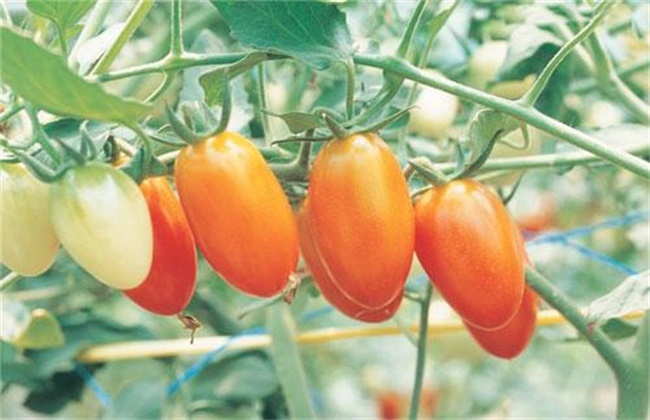
We are all familiar with cherry tomatoes; they also have another name, small tomatoes, which may be a bit more familiar to everyone. They can be eaten both as a vegetable and as a fruit, have a very high vitamin content, and are a natural treasure house of vitamins, deeply loved by consumers. They have strong adaptability and are very suitable for widespread cultivation, so how can yields be increased when growing them? Let's take a look.
1. Choosing and preparing the land
Cherry tomatoes are suited to growing in relatively fertile soil with good ventilation, sunlight and drainage, so choosing the land is relatively important. Good land can increase cherry tomato yields and also benefit their growth. After choosing the land, it must be plowed and replanted, and only after the residual seed roots and weeds in the soil are all removed can planting begin. Only in this way can the survival rate of cherry tomatoes be somewhat higher, and this is good news for their growth.
2. Cultivating strong seedlings
To grow cherry tomatoes better, you need to choose suitable varieties, generally divided into early-maturing varieties and late-maturing varieties, and at the same time choose suitable varieties according to local climate conditions. When raising seedlings, generally choose a seedbed with relatively good ventilation. Before raising seedlings, fertilize the seedbed, generally with organic fertilizer, about 1000 kg per mu, and after fertilizing, mix it thoroughly with the soil, and then prepare to raise seedlings. Before raising seedlings, soak the seeds to promote germination, and once the seeds show white, they can be sown. Strong seedlings are the foundation of high yields. Strong seedlings have thick stems, short internodes and hard stalks; large and thick leaves, dark green leaf color, and well-developed root systems.
3. Reasonable planting out
Reasonable planting out is an important measure for achieving high yields. When the seedlings grow to 4-5 true leaves, they can be planted out. For each period, use double-row planting, with a plant spacing of 35-40 cm and a row spacing of 80 cm, and plant 2500-3000 plants per mu. The planting depth should be based on not burying the cotyledons.
4. Field management
Cherry tomatoes have a large growth volume, a long fruiting period and high yields, so the supply of fertilizer and water must be sufficient. Normally keep the soil moist or slightly dry. On the basis of applying sufficient base fertilizer, topdressing should also be done promptly and appropriately during the growing period. After planting out, a dilute high-nitrogen water-soluble fertilizer can be applied. During the flowering and fruiting period, in combination with intertillage and hilling, increase the application of nitrogen-phosphorus-potassium compound fertilizer. During the full fruiting period, apply fertilizer water once every 15-20 days to keep the soil moist. When the plants grow to 30-40 cm, begin trellising, which helps with ventilation and air permeability, reduces pest and disease damage, promotes growth and facilitates manual production operations. In addition, prune promptly according to planting density, promptly remove excess side shoots, and remove yellowed old leaves and diseased leaves on the lower part to reduce nutrient consumption.
The above is an introduction to growing techniques for increasing cherry tomato yields. I hope it can help you. To learn more related knowledge, please follow us.