Causes of Low Yield in Autumn Cucumbers and Control Methods
After the Start of Autumn, although temperatures in many places are still somewhat high, the season is gradually entering autumn. Autumn is both a harvest season and a good time for growing vegetables. Cucumber is one of them, and its growth cycle is relatively short, so after planting it can quickly be brought to market for sale. However, many growers get extremely low yields from their autumn cucumbers. What causes this? Let's find out together.
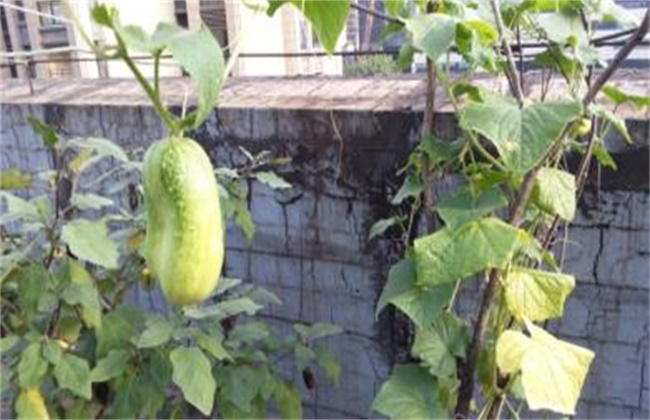
1. Variety Degeneration
If a single cucumber variety is grown continuously over the long term, it will inevitably lead to variety degeneration, which in turn lowers both yield and quality in summer, and this is unavoidable. Another point is saving one's own seed; the method used at planting time must be given careful attention, as this can also cause variety degeneration. In addition, some farmers who like to follow the crowd need to check whether the local environment is suitable for growing the crop, otherwise the yield will also be extremely low.
Solution: Select seeds rationally, choosing varieties suited to the local climate and environment, and also taking factors such as market demand into account. It is recommended to choose short-day varieties that are heat-resistant in the early stage, cold-resistant in the later stage, and highly resistant to pests and diseases.
2. Excessive Vegetative Growth
Excessive vegetative growth is a phenomenon that occurs during the growth of many vegetables. It is mainly caused by farmers applying too much nitrogen fertilizer during cultivation or by unreasonable planting density. These lead to problems such as reduced flower bud differentiation in cucumbers, flower buds that drop easily, poor root growth and development, and low yield.
Solution: Reasonably control plant density according to the quality of the cucumber plants. If growing in a greenhouse, pay attention to ventilation as well. If excessive vegetative growth occurs, chemical agents can be used to control it. When the cucumber has grown to three to four true leaves, spray a 1200-fold ethephon ripening agent, which can inhibit excessive stem and leaf growth of the seedlings and increase female flowers.
3. Severe Pests and Diseases
Pests and diseases are something every crop grower dreads, as a single careless moment can cause large areas of crops to die. Because autumn cucumbers grow in a hot and rainy season, special attention must be paid to attacks by pests and diseases. In addition, many pests and diseases can also reduce the yield of autumn cucumbers.
Control methods: Prevention should be the main approach for pests and diseases. Common diseases include phytophthora blight, gray mold, and downy mildew. When they occur, spray chemical agents promptly for control; for severe cases, pull out the affected plants promptly and destroy them in a centralized manner. Common pests include aphids, thrips, and tobacco whitefly. Yellow sticky boards can be hung in the field to trap insects, or chemical agents can be used to kill them; 10% imidacloprid can be selected for spraying.
The above is an introduction to the causes of low yield in autumn cucumbers and control methods. We hope it helps you. To learn more related knowledge, please stay tuned to us.