How to Improve the Fruit Set Rate of Winter Melon? A Detailed Guide to Practical Growing Methods
Winter melon is a common vegetable, grown in many rural areas, but growing winter melon well is not a simple matter, because its fruit set rate is relatively low, and the slightest misstep can lead to poor pollination, thus reducing the fruit set rate. So how do you improve the fruit set rate? Let's take a look.
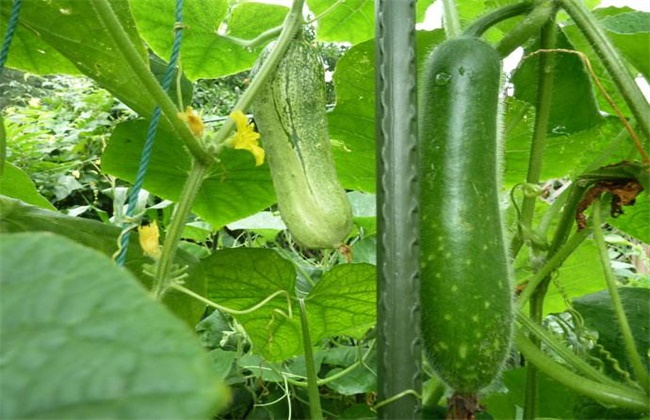
1. Sowing Time
When the flowering and fruit set of winter melon coincides with the rainy season, the humid air will seriously affect the pollination rate of the pumpkin, so when planting, you should work backward from the flowering and pollination time of the winter melon variety and choose the correct planting time, so as to avoid the winter melon encountering the rainy season during flowering and pollination. Moreover, because the rainy season timing differs from region to region, and the flowering time differs among varieties, you should choose the correct sowing time according to the local rainy season and the flowering time of the winter melon.
2. Fertilizer and Water Application
Winter melon needs sufficient nutrients during flowering and pollination. If nutrients are lacking, the winter melon fruit will not have enough nutrients to grow, which leads to fruit abortion, so before planting you must apply enough base fertilizer; you can choose decomposed farmyard manure plus an appropriate amount of compound fertilizer as the base fertilizer. In addition to applying base fertilizer, before the winter melon flowers and sets fruit you should also apply a flowering and fruiting fertilizer according to the plant's growth, and the topdressing should be combined with irrigation.
3. Hand Pollination
Compared with other vegetables, the pollination rate of winter melon is much lower, so to improve the pollination rate of winter melon, hand pollination should be carried out when the winter melon flowers. The best time to pollinate winter melon is between 9 and 11 a.m. on a sunny day, when the winter melon flowers have just opened and there is plenty of pollen; to pollinate, simply shake the pollen from the male flower onto the female flower of the winter melon.
4. Pest Control
The common pests of winter melon include thrips and melon fruit flies, among others. These pests specifically attack the flowers of winter melon and will seriously reduce its pollination rate, so before the winter melon flowers and pollinates, you should spray insecticide in time to control the pests promptly.
The above is an introduction to how to improve the fruit set rate of winter melon. We hope it helps you. To learn more related knowledge, please stay tuned to us.