How to prevent and control severe dead plants in ginger? These methods must be mastered
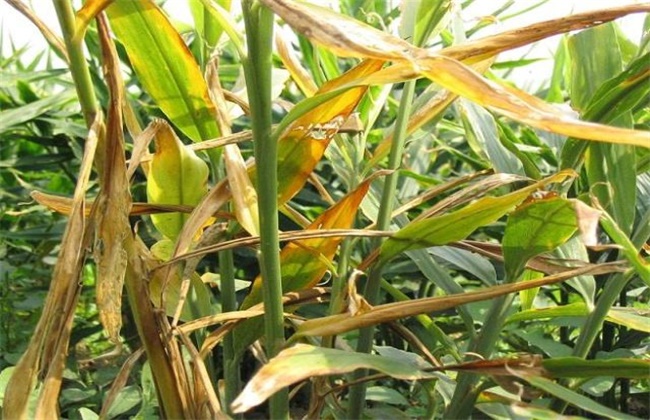
Ginger is a common vegetable in our daily lives, but recently many farmers have reported that with the increase in autumn rainfall, the problem of dead ginger plants has become quite serious, and some plots have even suffered total crop failure. So how should severe dead ginger plants be prevented and controlled? Follow the editor to take a look at the key control points.
1. Improve soil permeability
Poor soil permeability means the root system gets less oxygen, root respiration is blocked, more harmful substances are produced, and the plant's stress resistance declines, thus creating favorable conditions for pathogen invasion. This is also one of the main reasons for severe dead ginger plants. According to experimental research, in soil with high organic matter content or sandy soil, the soil is loose and breathable, and the problem of dead plants is noticeably milder; while clay soil has stronger water and fertilizer retention, and after rainfall the rainwater infiltrates slowly, permeability declines, root rot is very likely to occur, and dead plants become even more serious.
Control method: When rainfall is frequent, farmers should find ways to improve soil permeability to avoid damage to the ginger root system. The first step is hilling soil. Early August is an important period for hilling ginger. With hilling, the ginger root system goes deeper, and permeability is naturally affected. Hilling is often carried out together with topdressing. When hilling and topdressing, it is recommended to add an appropriate amount of peat, fermented straw, and the like, which can effectively improve soil permeability and enhance stress resistance. In addition, choosing humic acid fertilizers is also a basic measure for improving poor soil permeability.
2. Soil sterilization
Soil deterioration and poor permeability often only cause poor root growth and development, but do not cause a large number of dead plants. Dead plants are often caused by ginger blast and root rot. Increased rainfall makes root rot very likely to occur, creating opportunities for pathogen infection and easily causing dead ginger plants.
Control method: First, sterilize the soil to reduce the pathogen population. Once yellowing leaves and dead ginger plants occur, check the root system in time. If ginger pieces or roots are rotting, use medication in time to kill pathogens and control further spread. In addition, dead-plant diseases occur quickly and spread quickly, mainly related to the lack of beneficial bacteria in the soil. Continuous application of biological bacterial agents can effectively increase the number of beneficial bacteria, improve soil ecology, and inhibit pathogens to a large extent.
3. Supplement nutrition
The ginger root system is weak and very prone to disease, which is closely related to unbalanced nutrition. Many farmers still choose fertilizers mainly based on nitrogen, phosphorus, and potassium when fertilizing. Although ginger has a large demand for medium elements such as calcium and magnesium, farmers lack awareness of this, and calcium fertilizer easily reacts with phosphorus fertilizer and precipitates, so it is rarely applied.
Control method: To improve the disease resistance of the plant, reasonable application of base fertilizer is key. It should be mainly fermented organic fertilizer, with an appropriate amount of medium and trace element fertilizers, such as 50 jin of calcium magnesium phosphate fertilizer per mu, and 1-2 kg each of trace elements such as boron, zinc, and iron. If trace elements are not supplemented in the base fertilizer, they can be reasonably applied during the plant growth period together with hilling and watering to supplement nutrition.
The above is an introduction to the control methods for severe dead plants in ginger. We hope it can help you. To learn more related knowledge, please follow us.