What are the benefits, effects and contraindications of pumpkin?
Pumpkin is an annual trailing herbaceous plant belonging to the Cucurbitaceae family, native to the Americas. However, after being introduced to our country, it has also gained a very wide cultivation area. Pumpkin can not only be eaten as a vegetable, but all its parts also have medicinal value, and the market demand for it in our country is very large. So what benefits and effects does pumpkin have? And what contraindications are there? Below, the editor will give everyone a brief introduction. Let's take a look together!
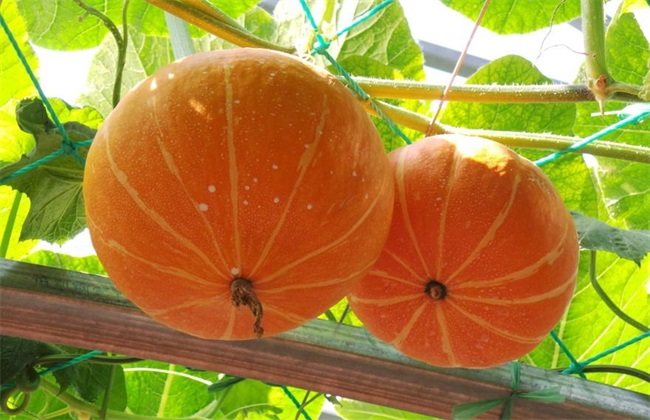
1. Benefits
Pumpkin has the benefit of promoting bowel movements and relieving constipation. When experiencing gastrointestinal problems and constipation, eating some pumpkin in moderation can help relieve it. This is because pumpkin can promote bile secretion, increase gastrointestinal peristalsis, and enhance excretory function. Pumpkin is rich in nutrients such as iron and cobalt, and has the benefit of nourishing the blood and improving complexion, especially for women. During menstruation, eating pumpkin in moderation can achieve a tonifying effect. In addition, pumpkin seeds are rich in tryptophan, which can form serotonin in the human body, and serotonin has a sleep-regulating effect.
2. Effects
Pumpkin is rich in pectin. Because pectin has strong adsorption, it can bind to harmful substances such as bacterial toxins in the human body and has a detoxifying effect. As just mentioned, pumpkin also contains a relatively large amount of cobalt. Cobalt can promote human metabolism and synthesize vitamin B12, among other things. Vitamin B12 is an indispensable substance for pancreatic islet cells, has the effect of lowering blood sugar, and can prevent diabetes. Pumpkin can also inhibit the mutation of the carcinogen nitrosamine, which not only has an anti-cancer effect but also protects the liver and kidneys.
3. Contraindications
Pumpkin is actually an allergenic food, so people with an allergic constitution should be careful about eating pumpkin. Otherwise, allergic reactions such as redness, swelling, diarrhea, and various gastrointestinal problems are very likely to occur. Pumpkin should not be eaten in excess, because pumpkin is a warm-natured food, and if eaten excessively, it can easily cause internal damp-heat. In particular, people with qi stagnation and abdominal fullness, damp-heat, and similar conditions should avoid eating it. When eating pumpkin, be careful not to eat it with substances such as sweet potato and mutton. Eating it with sweet potato can cause the eater to experience abdominal bloating, while eating it with mutton can cause constipation.
The above is a brief introduction to pumpkin's benefits, effects and contraindications. Although pumpkin tastes good and has many benefits and effects, it also has certain dietary contraindications, so everyone should pay close attention. That is all for today's introduction. This article is for reference only. I hope it can help everyone!