What are the cultivation methods for Andrographis paniculata?
Andrographis paniculata, also called bitter gall grass, is an annual medicinal plant that has the effects of clearing heat and detoxifying, and reducing inflammation and pain. It is mainly grown in tropical and subtropical regions. There is actually more than one way to grow Andrographis paniculata. Today I will introduce several common methods for growing it, to help everyone apply them in actual cultivation, and also to help you understand its growth conditions.
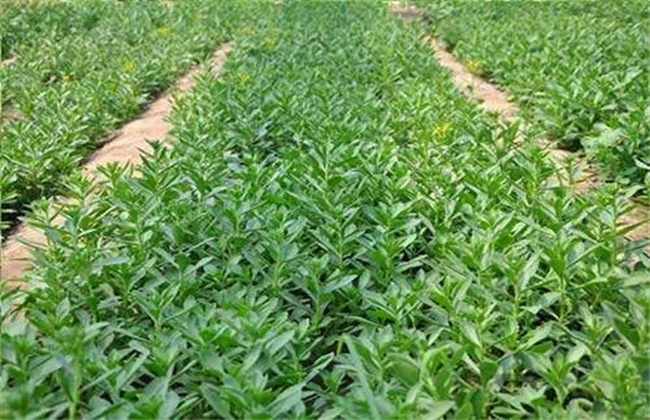
1. Seed sowing
Andrographis paniculata seeds are very small, and direct sowing has poor emergence ability, so before sowing the seeds need to be soaked, and the planting soil must be finely tilled, with a shallower soil cover. For soaking, use 50-degree hot water and stir until the temperature drops to over 20 degrees, then soak for two days. You can skip germination, as the seeds sprout easily; mix the seeds with plant ash and sow them in the seedbed, covering with just a few millimeters of soil. After spraying water, cover with plastic film for warmth and rice straw for insulation. When 80% have sprouted, remove the covering. After that, frequently apply diluted fertilizer water.
2. Cutting propagation
To propagate Andrographis paniculata by cuttings, choose a robust main stem, cut the main stem into 5 cm lengths, keep a few leaves, and make a slanted cut at the lower end of the main stem, then it can be inserted as a cutting. Choose a piece of half-shaded land where the soil needs to be loose sandy loam, or insert the cuttings directly in a sand bed; mixing sand into the seedling bed also works. Insert the cuttings into the soil, then spray water daily to keep it moist. Roots will soon grow, and once the roots are full it will become a plant.
3. Home cultivation
Growing Andrographis paniculata at home is fairly casual, as it survives easily. You can directly take branches and root them in water, then transplant them into flower pots after roots grow. After it resumes growth, you can water it once at intervals, and it will grow very well. Or you can directly prepare river sand plus humus soil, sow directly, and wait for it to grow. With watering and warmth, even if some do not sprout it does not matter much, as the loss is small.
4. Points to note
When sowing and raising seedlings, be careful to sow evenly, and it is best to sow when the temperature rises above 20 degrees, as it sprouts easily and grows fast. The rice straw used for covering should be clean, disinfected straw. When the cuttings have few roots, do not transplant them; water and loosen the soil three days before transplanting to avoid damaging the roots. For home cultivation, usually not much is planted, and direct sowing will grow very well.
There are also several cultivation methods for Andrographis paniculata. You can choose the method yourself, selecting the one that suits your conditions. But no matter which method, you must pay attention to some details so as not to affect the growth of Andrographis paniculata.