How to Grow High-Yielding Zucchini in Autumn: Key Cultivation Techniques Explained
Zucchini is a vegetable that many people enjoy eating. It has a crisp texture and is rich in nutrients, especially vitamin C. In addition to helping with calcium supplementation, it also has beauty-enhancing effects. If you want to achieve high yields when growing zucchini in autumn, you need to master several key points. Let's take a look.
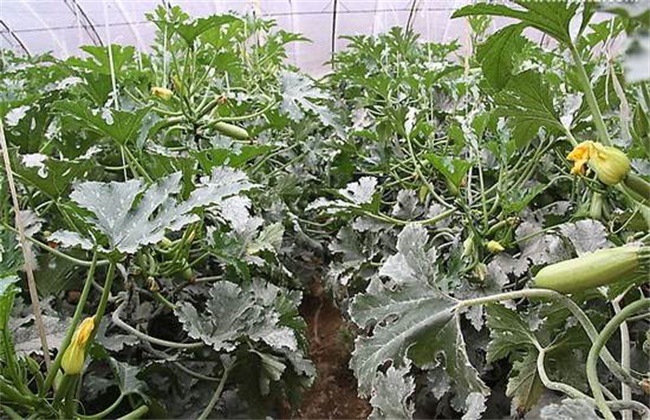
1. Choose High-Yielding Varieties
There are many zucchini varieties, but to achieve high yields in autumn planting, you need to choose based on local climate characteristics. It is advisable to select high-yielding varieties that are early-maturing, disease-resistant, moisture-tolerant, tolerant of weak light, strongly cold-tolerant, low in fiber, high-yielding, and good in quality, such as Biyu and Zaokang 30.
2. Sow at the Right Time
Sowing at the right time is one of the key cultivation techniques for autumn zucchini. Generally, for autumn cultivation of zucchini, raising seedlings around mid-August is ideal. The sowing time is quite critical. If sown too early, the higher temperatures and stronger light in the early stage make seedlings highly susceptible to viral diseases, affecting yield. If sown too late, the growth period is shorter and the yield is lower, affecting overall returns.
3. Transplanting Management
Zucchini has a well-developed root system and prefers fertile soil, so the previous crop should preferably be non-cucurbit crops, with good drainage and irrigation conditions and soil that retains fertilizer and water well. When transplanting, pay attention to plant and row spacing, with 60 cm × 50 cm being ideal. Pay attention to the weather when transplanting; it is best to choose a sunny afternoon or an overcast day to cut the film and open holes for transplanting. After transplanting, water thoroughly based on soil moisture conditions, with the amount of water sufficient to soak through the soil ridge, but avoid waterlogging. After watering, loosen the soil when moisture conditions allow to increase permeability and promote root development.
4. Field Management
After transplanting, autumn delayed zucchini can be appropriately subjected to seedling hardening to prevent excessive vegetative growth. After the seedlings recover, a small amount of water can be applied once to promote recovery. Apart from the transplanting water and recovery water, generally no watering is needed before fruit set. During the seedling stage of zucchini, strict control of disease and pest transmission vectors is necessary. Choose varieties with strong disease resistance and comprehensively cultivate zucchini disease resistance. The main disease of zucchini is gray mold. When it occurs, you can use 10% procymidone smoke agent or 45% chlorothalonil smoke agent for nighttime fumigation in the greenhouse. On sunny days, you can also use 50% iprodione or 50% procymidone spray for control. The main pest is aphids. When they occur, you can use acetamiprid mixed with a kettle of water for spraying, or use fumigation smoke for greenhouse control.
The above is an introduction to high-yield autumn zucchini cultivation techniques. We hope it helps you. For more related knowledge, please stay tuned to us.