How to manage corn during the grain-filling stage? Key points explained in detail
Corn is a grain crop we often eat in our daily lives, and it has a very large market demand and planting area in our country. When planting corn, we need to pay attention to doing a good job in management and reasonably adjust management methods according to the growth stages of corn. Among these, management during the grain-filling stage is particularly important. So how should corn be managed during the grain-filling stage? Below, the editor brings you the key management points for corn at the grain-filling stage. Let's take a look together!
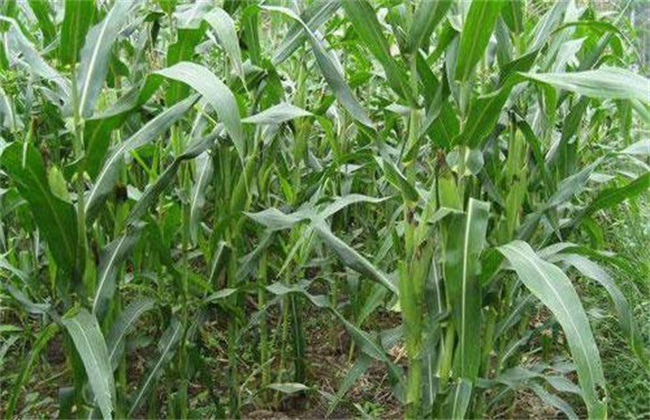
1. Water and fertilizer management
After corn enters the tasseling stage, under normal circumstances, the basal fertilizer previously applied in most plots has already been used up. At this time, in order to ensure grain filling and grain quality, a suitable topdressing of nitrogen fertilizer should be applied once to avoid premature senescence in corn and increase grain weight. Then, during the corn growth period, it is necessary not only to meet corn's demand for nitrogen, phosphorus, and potassium fertilizers, but also to appropriately apply trace elements such as boron. Proper watering during the grain-filling stage is key to ensuring a corn harvest, but watering should not be excessive, so drainage work should be done well to avoid excessive watering causing corn to stay green and mature late.
2. Intertillage and hilling
In the middle and late stages of corn growth, if management is improper, lodging is very likely to occur, and this also has a very large impact on corn yield. Therefore, in the late grain-filling stage, a shallow plowing should be carried out once, and soil loosening and weeding should be done well to improve soil aeration and moisture conservation capacity. It can also accelerate the decomposition of nutrients and promote root growth. Moreover, proper intertillage and hilling can also effectively prevent corn lodging. The hilling height should be kept at about 8 cm to promote the growth of aerial roots and ensure yield.
3. Alternate-row detasseling
Alternate-row detasseling is a basic skill that everyone needs to master when planting corn. After entering the grain-filling stage, in the cornfield, remove the male flowers every two plants or every two rows, which can effectively increase the cross-pollination rate and thereby increase yield. This is also one of the main measures for increasing corn yield. When detasseling, the tassel should be pulled out and thrown outside when about half of it has emerged. The effect of detasseling by plant is generally better than detasseling by row, and pollination opportunities can also be increased as a result. Then, the plants on both sides of the field should not be detasseled, as this would instead affect pollination.
4. Pulling out empty stalks
In many cases, corn cannot grow ears because of variety, planting density, or when about two tillers grow from the base of the corn plant. These are empty stalks, and these empty stalks as well as tillers should be pulled out in time. This avoids consuming too many nutrients, improves field aeration, promotes normal plant growth, and improves the quality and yield of ears and grains. During the grain-filling stage, the goal should be to protect roots and leaves. At harvest time, the harvest time can be appropriately delayed, which can also achieve the purpose of increasing yield.
The above is a brief introduction to how to manage corn during the grain-filling stage. That is all for today's introduction. This article is for reference only, and I hope it can help everyone!