How to Grow Black Sesame? A Detailed Guide to Planting Methods and Timing
Black sesame is a very popular crop in China. It not only has very high edible value, but is also a major oil crop. At present, the planting area of black sesame in China is still quite large, and the market demand for black sesame is also growing, so the demand for black sesame yield is growing as well. So how should black sesame be grown? And when should it be planted? Let's take a look together below!
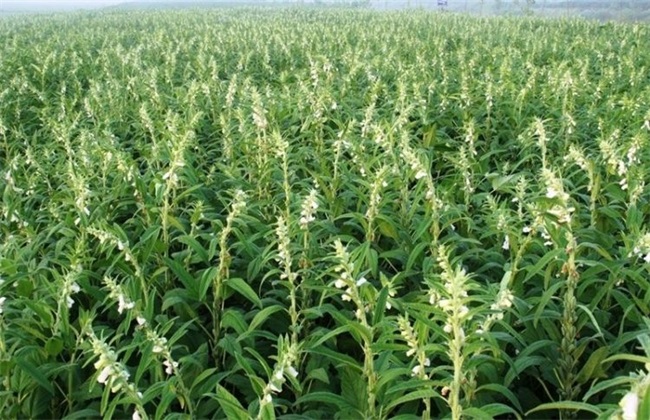
1. Planting Time
The sowing time for black sesame is actually the same as that for sesame. When sowing, we should control the sowing time properly according to the variety being grown and the timing. For example, when growing summer sesame, sowing should be done in May to June each year. If it is autumn sesame, then sowing should be done in early July. If the heat is still good, it can be appropriately delayed to late July. Whether growing summer sesame or autumn sesame, it is necessary to ensure relatively high temperatures and high evaporation. Then the land preparation must be done well; maintaining soil moisture is the key to ensuring full stands of black sesame.
2. Planting Methods
Site Selection and Seed Selection
When growing black sesame, the first step is to choose a good planting plot. The planting plot for black sesame should be chosen on high ground with good drainage and irrigation. Then do the land preparation well; during land preparation, apply sufficient base fertilizer together with the fertilizing work, then level and rake the soil finely, and prepare for sowing. Before sowing, do the seed soaking work well, and pre-sprout and disinfect the seeds. Put the seeds into a solution of carbendazim mixed with water, and stir it evenly. If it is summer sesame, then sow appropriately early, but the planting must not be too dense, so as to ensure that black sesame can grow normally.
Water and Fertilizer Management
When growing black sesame, the watering work must be done well. When planting, dig the bed furrows and surrounding ditches well to improve the drainage and irrigation capacity of the field. Then, according to the growth of the black sesame seedlings and the soil moisture conditions, do the watering work well. When growing black sesame, you must both guard against drought and prevent waterlogging, so watering should not be excessive either; if water accumulation occurs, drain it promptly. Then do the topdressing work well. During the growing period, if the seedlings are sparse and the growth is weak, then topdress appropriately with urea. For ordinary topdressing, the fertilizer should mainly be urea and phosphorus-potassium fertilizer, to provide sufficient nutrients for the growth of black sesame.
Field Management
When growing black sesame, to increase yield, the topping work needs to be done well. For summer sesame, top when two pairs of true leaves are retained, then keep the stem node about 3 cm above the leaves. After topping, to avoid fertilizer deficiency in the new branches, topdress appropriately once with a quick-acting fertilizer. Then do the pest and disease control work well, such as for fusarium wilt, bacterial wilt, aphids, and so on. Pests and diseases may cause reduced black sesame yield in mild cases, or plant death in severe cases. Both yield and quality will be greatly affected. Finally, control the harvest time well; harvest should be done when the capsules about 5 cm up from the lower part of the plant split open, and harvesting should not be too early or too late.
The above is a brief introduction to black sesame planting methods and timing. That is all for today's introduction. This article is for reference only, and I hope it can help everyone!