When to Plant Autumn Spinach? Detailed Guide to Planting Time and Methods
Spinach is a very common vegetable in our daily lives, also known as Persian spinach, parrot spinach, and so on. It is an annual herbaceous plant. Although it originated in Iran, it is now widely cultivated in China. When growing spinach, spring spinach and autumn spinach are generally the main types. So when should autumn spinach be planted? And how should it be grown? Below, the editor will give you a brief introduction. Let's take a look together!
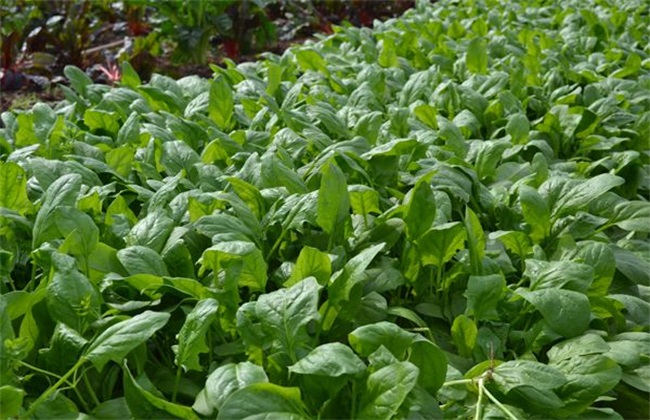
1. Planting Time
Autumn spinach, as the name suggests, is spinach planted in autumn. Autumn spinach is generally sown in August, and after about 1-2 months, it can be harvested and brought to market in September-October. This is because generally after the Beginning of Autumn each year, temperatures gradually drop and daylight hours gradually shorten. The natural environmental conditions at this time are very favorable for spinach growth, especially for vegetative growth, as they can inhibit reproductive growth. Therefore, planting spinach at this time can increase yield, and the quality of the spinach will also improve. Spring spinach, on the other hand, is generally sown around March, as long as the temperature stays above 5°C.
2. Planting Methods
Sowing and Raising Seedlings
Spinach is generally grown by broadcasting. For autumn spinach, 7 days before sowing, soak the spinach seeds in water for about 10 hours. Then remove the seeds and keep them at a temperature of about 4°C for one day, then place the seeds at 22°C to germinate. Then begin raising seedlings. Before raising seedlings, water the seedbed surface thoroughly, then lightly rake the topsoil, sow the seeds into the soil, and cover the seedbed surface with a layer of plant ash. If the sunlight is still relatively strong, then build a small arched shed and shade net, keep the soil moist, and generally after about a week the seedlings will emerge uniformly.
Water and Fertilizer Management
After the autumn spinach seedlings grow true leaves, be sure to splash them once with diluted manure water. At the second true leaf stage, do a good job of thinning and weeding. When topdressing, pay attention to the fertilizer concentration; it must not be too strong in the early stage, and mainly use decomposed farmyard manure. After entering the vigorous growth period, topdress about 3 times, mainly with urea. Before seedling emergence, if the soil moisture is good, then generally no watering is needed. Then after the second true leaf, watering should follow the principle of frequent light watering to keep the soil moist. After 5 true leaves, the number and weight of the leaves will increase, and at this time, water together with quick-acting nitrogen fertilizer.
Timely Harvesting
There are not many restrictions on harvesting autumn spinach, and unlike the other three seasons' spinach, it does not have a fixed harvest period due to bolting. So after autumn spinach matures, we can reasonably regulate the harvest period according to changes in market demand. But from the perspective of quantity, it is best to harvest about two months after sowing. Under normal conditions, the yield of autumn spinach is still very high, with a yield of about 3500 kg per mu, and it may be even higher.
The above is a brief introduction to the planting time and methods of autumn spinach. That's all for today's introduction. This article is for reference only, and I hope it can help everyone!